Business License
What Is Progressive Die Stamping? A Complete Guide for Engineers and Buyers
Progressive die stamping is a high-speed metal forming process that feeds coil stock through a multi-station die, performing blanking, piercing, bending, and forming operations in sequence until the finished part separates from the carrier strip. It is the preferred method for producing complex, tight-tolerance components at medium-to-high volume because each press stroke completes multiple operations while the strip advances one pitch at a time.
Imagine an automotive buyer named Li Wei who needs 2 million conductive terminals per year for a new controller. A single-stage tool would require separate press hits for every cut and bend. That means slower output, more handling, and a higher risk of registration errors. Progressive die stamping solves this by combining every operation into one continuous, automated pass. The result is faster production, tighter repeatability, and a lower per-part cost at volume.
If you are evaluating metal forming options for electrical hardware, automotive brackets, or precision consumer components, this guide will show you exactly how progressive die stamping works, when it outperforms other methods, and what to look for in a tooling partner. You will learn the mechanics of the progressive stamping process, the design decisions that affect die life and tolerance, and the applications where this method delivers the strongest return.
Key Takeaways
Progressive die stamping combines blanking, piercing, bending, and forming into one continuous coil-fed process.
It is most cost-effective for medium-to-high volumes, typically 50,000 to millions of parts per year.
Tight piloting and registration control allow tolerances down to ±0.05 mm on well-engineered dies.
In-house mold design and manufacturing shorten lead times and protect design intent.
Material selection, strip layout, and die maintenance directly determine part quality and tool life.
What Is Progressive Die Stamping?
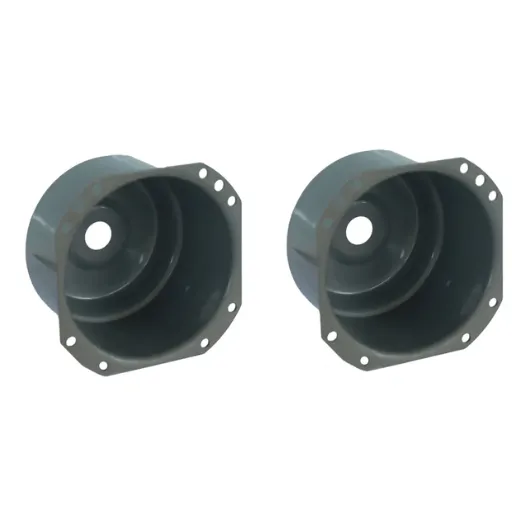
Progressive die stamping is a metal forming method in which a coil of flat strip material advances through a die that contains several workstations. Each station performs one or more distinct operations, such as piercing holes, notching edges, forming bends, or blanking the final outline. The part remains attached to a carrier strip as it moves from station to station, which keeps every feature in precise alignment. After the final station, the finished part separates from the strip and drops into a collection container.
This process differs from single-stage stamping, where one press hit produces one operation and the operator reloads or repositions the part. It also differs from compound die stamping, where all cuts happen at a single station in one stroke. Progressive die stamping occupies a middle ground: it delivers more features per stroke than single-stage tools while remaining more flexible and less expensive than compound dies for complex geometries. For a deeper look at the fundamentals, see this introduction to progressive die stamping basics from The Fabricator.
The terminology is straightforward. A "die" is the tooling set installed in the press. "Progressive" refers to the progressive movement of the strip and the progressive completion of the part. "Progressive stamping" and "progressive die stamping" are often used interchangeably in industry conversations.
Engineering Note: The die is typically mounted in a mechanical or servo-driven stamping press. Coil feed length, press speed, and die pitch must be synchronized so each feature lands in the correct location on the strip.
How the Progressive Stamping Process Works
Understanding the progressive stamping process helps buyers and engineers ask better questions during tooling design and production planning. The process follows a clear sequence from coil preparation to finished part collection.
Coil Feeding and Straightening
The process begins with a coil of metal strip, usually mounted on an uncoiler. The material passes through a straightener to remove coil set and then enters a servo roll feed or gripper feed that advances the strip an exact distance, called the "pitch" or "progression," with each press stroke. Feed accuracy is critical. A variation of even 0.05 mm can shift holes, bend lines, and blanking profiles out of tolerance.
Sequential Operations
As the strip moves through the die, each workstation performs a specific task. A typical progression might look like this:
Pilot piercing - small holes that guide the strip into exact position for subsequent stations.
Forming and bending - raised profiles, tabs, or right-angle bends created without breaking the strip.
Piercing and notching - functional holes, slots, and cutouts formed at controlled locations.
Coining or embossing - optional operations that add strength, contact surfaces, or identification marks.
Blanking - the final station cuts the finished outline and separates the part from the carrier strip.
Each station adds value while the carrier strip holds everything in registration. This is why progressive die stamping excels at parts with many features and tight dimensional relationships.
Part Separation and Collection
After the blanking station, finished parts fall through the die shoe into a bin, conveyor, or automated packaging system. The remaining carrier strip, now a skeleton of connected scrap, exits the die and is wound for recycling. Modern presses can run at hundreds of strokes per minute, which is why progressive die stamping is so effective for high-volume programs.
Progressive Die Stamping vs. Compound and Transfer Die Stamping
Buyers often compare progressive die stamping with compound die stamping and transfer die stamping. Each method has strengths, and the right choice depends on part geometry, volume, and tolerance requirements.
Progressive Die Stamping
Best for parts with many features and medium-to-high annual volumes.
Coil-fed, continuous operation with high strokes-per-minute potential.
Lower tooling cost than compound dies for complex parts.
Material remains on a carrier strip, which provides excellent registration.
Minimum scrap depends on strip layout and nesting efficiency.
Compound Die Stamping
Best for flat parts requiring multiple cuts in a single press hit.
All cutting operations happen at one station simultaneously.
Higher die cost because the entire cut geometry must fit in one station.
Excellent dimensional accuracy between cut features.
Less suitable for parts with deep forming or complex bends.
Transfer Die Stamping
Best for large, complex parts that must be handled individually.
Each blank is separated first, then transferred mechanically from station to station.
Allows deeper draws and larger formed shapes than progressive dies.
Higher equipment and tooling cost due to transfer mechanisms.
Typically used in automotive body and structural applications.
When should you choose progressive die stamping? It is usually the right choice when annual demand justifies dedicated tooling, the part is small-to-medium in size, and multiple operations must be combined for cost efficiency. The progressive die vs compound die decision often comes down to part complexity and volume: progressive dies handle more forming operations in one pass, while compound dies excel at flat parts with multiple cuts in a single stroke. If the part is very large, very deep-drawn, or has extremely simple flat cuts only, another method may be more economical.
Key Advantages of Progressive Die Stamping
Progressive die stamping offers distinct benefits that explain why it is so widely used in automotive, electronics, appliance, and industrial hardware manufacturing.
Speed and Throughput
Because every press stroke advances the strip and performs operations at multiple stations, output can reach several hundred parts per minute on high-speed stamping equipment. This throughput is difficult to match with manual or single-stage operations. For buyers planning annual programs in the hundreds of thousands or millions, progressive stamping reduces unit labor cost and shortens delivery schedules. The Precision Metalforming Association tracks industry trends in high-speed stamping and metal forming.
Tight Tolerance Control
Progressive dies use pilot holes, guide pins, and stripper plates to maintain registration from station to station. When the die is engineered and maintained properly, feature-to-feature tolerances can be held to ±0.05 mm or tighter. This level of control matters for electrical terminals, connector housings, and precision brackets where misalignment causes assembly failures.
Lower Per-Part Cost at Volume
The upfront tooling investment is higher than for simple hand-fed tools, but the cost is spread across a large number of parts. Once the die is qualified, material waste, labor handling, and inspection time all drop. The result is a lower total cost of ownership for programs that run consistently over time.
Built-In Quality Consistency
Every part follows the same path through the same stations. That repeatability reduces lot-to-lot variation and simplifies inspection planning. In-process sensors can detect misfeeds, double hits, and missing parts, adding another layer of process control.
Engineering Note: The break-even volume for progressive die stamping depends on material thickness, part complexity, and required tolerance. Many programs justify the tooling investment at annual volumes above 50,000 parts.
Common Applications and Industries for Progressive Die Stamping
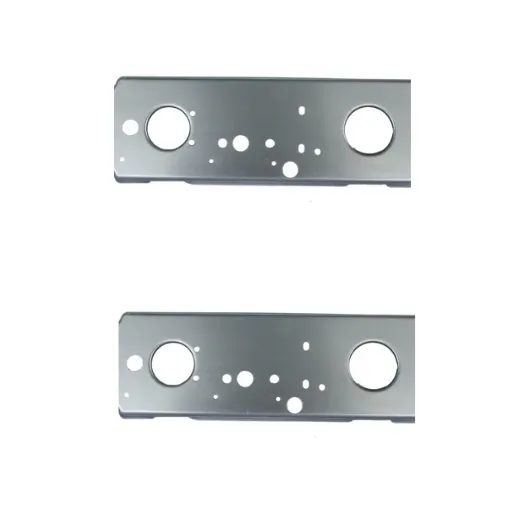
Progressive die stamping appears wherever manufacturers need small, precise, high-volume metal parts. The process is especially common in industries where electrical conductivity, dimensional repeatability, and cost efficiency are all critical.
Electrical and Electronics Hardware
Terminals, contacts, connectors, busbars, and shielding components are classic progressive die applications. Copper, brass, and phosphor bronze strip feed well through progressive dies, and the process can create complex contact shapes with tight pitch control. Our electrical hardware stamping components page shows examples of terminals and conductive parts produced with this method.
Automotive Components
Brackets, clips, sensor housings, fuel-system components, and terminals for control modules all benefit from progressive die stamping. Automotive suppliers value the process because it delivers consistent parts that meet PPAP and traceability requirements.
Appliances and HVAC
Sheet metal clips, mounting brackets, motor laminations, and control hardware for appliances and HVAC equipment are often produced on progressive dies. The process handles galvanized steel and stainless steel efficiently while maintaining the formed shapes needed for assembly.
Industrial and Consumer Goods
Locks, hinges, fasteners, battery contacts, and small structural parts all appear in progressive die production. The method scales across many materials and geometries, making it one of the most versatile metal forming processes.
Consider the experience of a procurement manager named Anna at an electronics OEM. Her previous supplier used separate blanking and bending operations for a small copper terminal. Lead time was eight weeks, and the secondary handling caused a 3% reject rate from bent leads. After moving the part to a progressive die at a supplier with in-house tooling, lead time dropped to five weeks and the reject rate fell below 0.5%. The change saved her company both inspection labor and rework cost.
Progressive Die Design Considerations
Tooling design is where progressive die stamping succeeds or fails. A well-designed die produces millions of quality parts. A poorly designed die causes misalignment, premature wear, and high scrap rates. Here are the critical design factors engineering teams evaluate.
Strip Layout and Material Utilization
The strip layout determines how parts are nested across the coil width and how the carrier strip connects them. Good nesting minimizes scrap while maintaining enough material for reliable feeding and registration. Engineers use CAD software to simulate the strip progression before any tool steel is cut. Material utilization rates of 60% to 85% are common, depending on part shape and pitch.
Tool Steel and Heat Treatment
Die components such as punches, dies, and strippers must withstand repeated impact and abrasion. Tool steel selection depends on the material being stamped, the expected volume, and the required tolerance. Common choices include D2, A2, and powder-metallurgy steels for high-volume applications. Proper heat treatment extends die life and maintains cutting edges over millions of cycles. ASM International publishes authoritative guidance on tool steel selection and heat treatment for stamping and metal forming applications.
Piloting and Registration
Pilot holes are small reference holes pierced early in the progression. They engage with pilot pins in later stations to position the strip precisely before cutting or forming. Without accurate piloting, cumulative feed errors cause parts to drift out of tolerance. Pilot hole diameter, location, and engagement depth are carefully calculated during die design.
Die Maintenance and Spare Parts
Even the best die requires maintenance. Punch wear, die rollover, and stripper plate fatigue gradually degrade part quality. A good tooling partner tracks die hits, schedules preventive maintenance, and keeps spare punches and inserts in stock. At Cangzhou Honglang, our in-house mold design and manufacturing team builds, maintains, and repairs dies so production continuity stays under our direct control.
Press Selection and Setup
The press must match the die in tonnage, bed size, stroke length, and speed. Servo presses offer programmable motion profiles that improve forming quality for complex parts. Mechanical presses deliver high speed for simpler geometries. Setup includes aligning the die, adjusting feed pitch, setting stripper pressure, and validating the first article before production release.
When to Choose Progressive Die Stamping for Your Project
Not every part belongs in a progressive die. Use the following checklist to decide whether this process fits your program.
Progressive die stamping is a strong candidate when:
Annual volume exceeds 50,000 parts and justifies dedicated tooling.
The part has multiple features such as holes, bends, tabs, or formed profiles.
Feature-to-feature tolerances are tight, typically ±0.1 mm or better.
Material is available in coil form, such as steel, stainless steel, copper, brass, or aluminum.
Part size fits within the press bed and coil width.
You need consistent lot-to-lot quality with minimal handling.
Progressive die stamping may not be ideal when:
Annual volume is very low and cannot justify tooling cost.
The part requires deep drawing beyond the limits of a strip-fed process.
The geometry is extremely large or requires individual blank handling.
Tolerance requirements are loose enough that simpler tooling is sufficient.
If your project matches the first list, the next step is a detailed tooling review. A supplier with in-house mold design can evaluate your drawing, recommend a strip layout, and provide a transparent quote for tooling and piece price.
Ready to explore progressive die stamping for your next program? Request a quote and send us your drawing. Our engineering team will review part geometry, recommend the right tooling strategy, and provide a DFM assessment at no charge.
Frequently Asked Questions
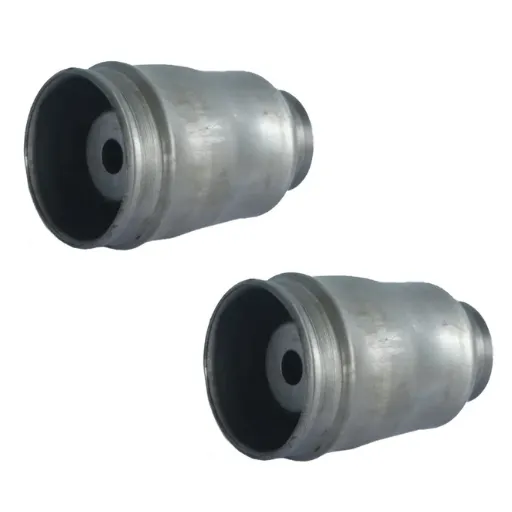
What is the difference between progressive die stamping and transfer die stamping?
Progressive die stamping feeds a continuous strip through multiple stations while the part stays attached to a carrier. Transfer die stamping separates individual blanks first and then moves them mechanically from station to station. Progressive stamping is faster and more economical for small-to-medium parts. Transfer stamping is better for large or deeply formed parts.
How much does progressive die tooling cost?
Tooling cost depends on part complexity, material thickness, number of stations, and required tolerance. Simple progressive dies may start at a few thousand dollars. Complex multi-station dies for tight-tolerance electronics parts can cost significantly more. The investment is recovered through lower per-part cost at volume.
What materials work best in progressive die stamping?
Common materials include cold-rolled steel, galvanized steel, stainless steel, aluminum, copper, brass, and phosphor bronze. Material must be available in coil form and must feed smoothly through the die. Your supplier can recommend grades and thicknesses based on the part function.
How tight are progressive die stamping tolerances?
With proper die design and maintenance, tolerances of ±0.05 mm are achievable for feature-to-feature dimensions on small parts. Tighter tolerances may require additional tooling refinement, in-process inspection, and tighter material control.
Is progressive die stamping suitable for prototyping?
Progressive die stamping is generally not the first choice for prototypes because of tooling lead time and cost. However, soft-tool or prototype-stage progressive dies can be built for validation runs. For very low volumes, single-stage or laser-cut prototypes may be more economical.
Conclusion
Progressive die stamping is one of the most efficient ways to produce complex metal parts at medium-to-high volume. By combining blanking, piercing, bending, and forming into a single continuous process, this method delivers speed, repeatability, and cost savings that single-stage methods cannot match.
The key to success lies in tooling design. Strip layout, material selection, piloting, and die maintenance all determine whether a progressive die runs smoothly for years or struggles with scrap and downtime. That is why choosing a supplier with in-house mold design and manufacturing, strong quality systems, and transparent engineering communication matters.
At Cangzhou Honglang, we design and build progressive dies in-house, run them on more than 100 sets of stamping machinery, and support programs across automotive, electronics, HVAC, and industrial markets. If you are evaluating metal forming options for your next project, contact us to discuss your drawing. We will help you decide whether progressive die stamping is the right fit and provide a clear path from tooling to production.
Recently Posted
-
Progressive Die Tooling: Guide for High-Volume Parts
July 24, 2026Progressive die tooling is a multi-station metal forming die that produces complex stamped parts from coil stock in a single, cont Read More
 -
Progressive Die Design: A Complete Engineering Guide
July 24, 2026Progressive die design is the engineering discipline of arranging multiple cutting and forming operations into a single die set so Read More
 -
Progressive Stamping Process: A Complete Guide to Multi-Station Metal Forming
July 24, 2026Progressive stamping feeds metal coil stock through a single die containing multiple stations, with each station performing a spec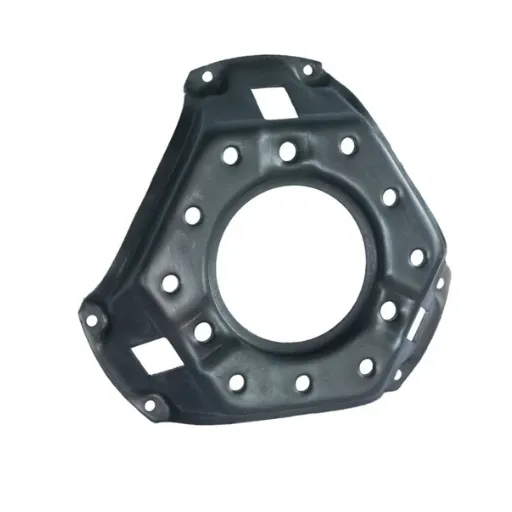 Read More
 -
Metal Stamping Tolerances Explained: A Buyer's and Design Engineer's Guide
July 24, 2026Metal stamping tolerances are the acceptable range of variation between a stamped part's actual dimensions and the dimensions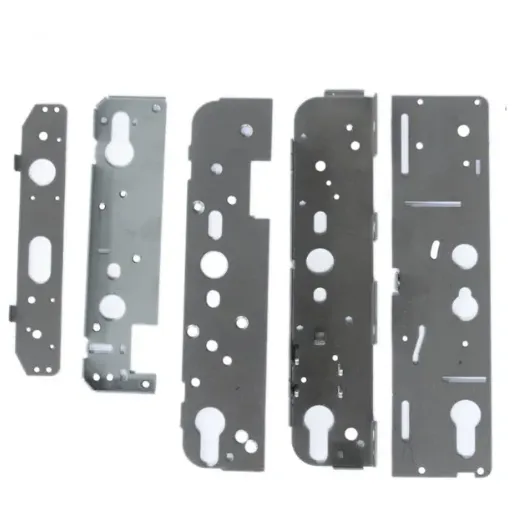 Read More

Contact Us
Recommended Products
-
 Custom Precision Stainless Steel Metal Stamping Parts for OEM ApplicationsNegotiableMOQ: 1 Piece
 -
Custom Automotive Metal Stamping – Stator Rotor Contact Clips for ElectronicsNegotiableMOQ: 1 Piece
-
Galvanized Steel Custom Metal Deep Drawing Components Outdoor Deep Drawn Equipment Protective HousingNegotiableMOQ: 1 Piece
-
Precision Custom Metal Deep Drawing Components Custom Sheet Metal Forming Fabrication ServiceNegotiableMOQ: 1 Piece
-
Custom Precision Deep Drawing Stamping Metal Components for IndustryNegotiableMOQ: 1 Piece
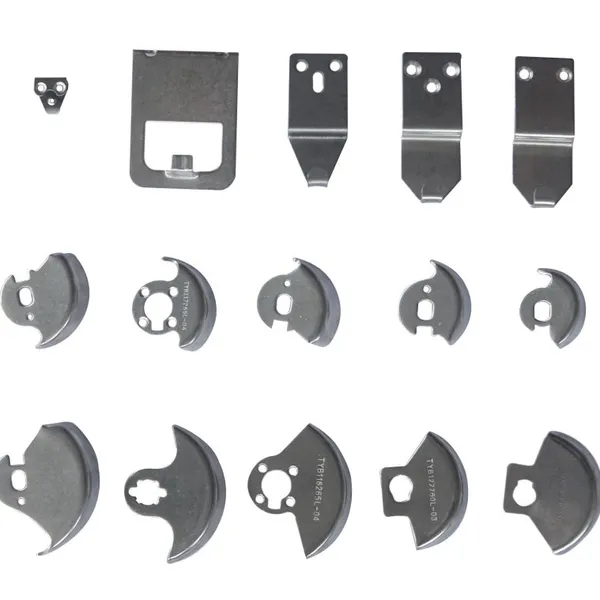
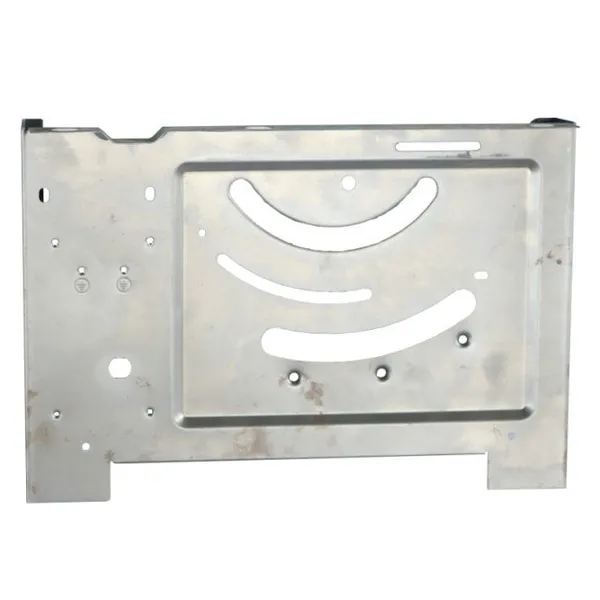
-
Stainless Steel Metal Stamping Components - Punching, Bending, Welding ServicesNegotiableMOQ: 1 Piece
-
Custom Deep Drawing Metal Stamping Components for Factory Construction MachineryNegotiableMOQ: 1 Piece
-
Custom Stamping Parts Stamped Welded Deep Drawn Sheet Metal Fabrication ComponentsNegotiableMOQ: 1 Piece
-
Custom Stainless Steel Flat Leaf Spring – Metal Stamping PartsNegotiableMOQ: 1 Piece
-
Custom Stamped ProductsNegotiableMOQ: 1 Unit
-
Custom CNC Machined Sheet Metal Stamping, Bending, Welding, Laser Cutting & EDM Fabrication ServicesNegotiableMOQ: 1 Piece
-
High-Strength Sheet Metal Stamping for Motorcycle and Automotive ApplicationsNegotiableMOQ: 1 Piece
-
Custom Precision Metal Stamping Parts High Tolerance Sheet Metal ComponentsNegotiableMOQ: 1 Piece
-
Custom Titanium Sheet Metal Stamping Parts Fabrication for Industrial UseNegotiableMOQ: 1 Piece
-
Professional Sheet Metal Stamping Process Service for Aluminum or Stainless SteelNegotiableMOQ: 1 Piece
-
Durable Custom Metal Deep Drawing Components Surface Treated Forming Components for Construction Engineering EquipmentNegotiableMOQ: 1 Piece
-
Customized Stamping Parts for Furniture Auto Electrical Spring ContactsNegotiableMOQ: 1 Piece
-
China Manufacturer Custom Metal Deep Drawing Components Custom Sheet Metal Deep Drawing FabricationNegotiableMOQ: 1 Piece
-
OEM Stainless Steel & Galvanized Steel Laser Cutting & Welding Parts Fabrication ServiceNegotiableMOQ: 1 Piece
-
Custom Motor Shell Stamping Parts – Stator Rotor Lamination for Electric MotorsNegotiableMOQ: 1 Piece