Business License
Sheet Metal Bending: A Complete Guide to Precision Formed Parts
Sheet metal bending is a metal forming process that uses force to create angular bends, curves, or channels in flat sheet metal without removing material. A press brake, rolling machine, or specialized forming tool applies controlled pressure along a bend line, permanently deforming the sheet into the required geometry.
That definition hides a lot of engineering decisions. When Marcus, an HVAC product engineer, released his first bracket design, he assumed a simple 90-degree bend was just a 90-degree bend. Six months into production, his supplier was reporting cracked corners, inconsistent angles, and springback so severe that every lot needed manual adjustment.
The problem wasn't the machine. It was that the design, material, and tooling had never been matched to the bending process.
If you source or design sheet metal parts, this guide will help you understand how sheet metal bending works, what controls quality, and how to avoid the mistakes that turn a simple metal bending process into an expensive problem. It also explains how bending fits into the broader sheet metal fabrication workflow.
Key Takeaways
Sheet metal bending forms flat metal into angles and curves by applying controlled force along a bend line.
Bend radius, k-factor, and material thickness determine final dimensions, springback, and structural integrity.
Common methods include V-bending, air bending, bottoming, coining, and roll bending on press brakes or rolling machines.
Springback, cracking, and wrinkling are the most common defects; tooling geometry and material selection prevent them.
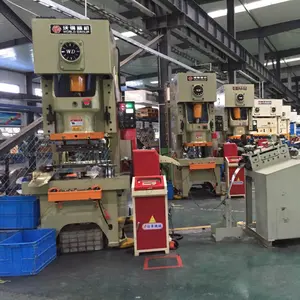
Cangzhou Honglang produces custom sheet metal parts with in-house tooling, 100+ stamping machines, and engineering support across automotive, HVAC, electronics, and industrial markets.
What Is Sheet Metal Bending?
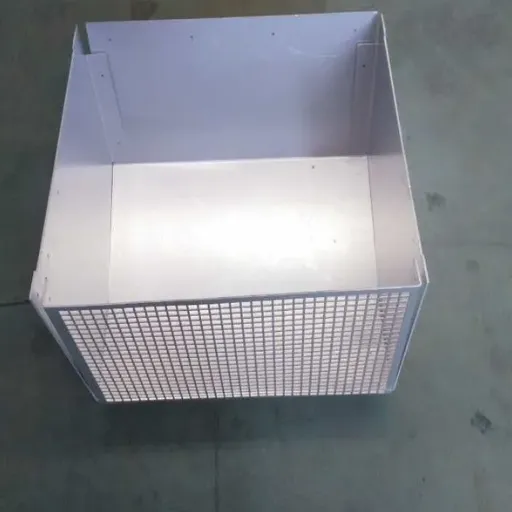
Sheet metal bending is the process of reshaping a flat metal sheet along a straight or curved axis. The outer surface of the bend stretches in tension while the inner surface compresses. A neutral axis somewhere in the middle of the material thickness experiences neither significant tension nor compression.
Unlike cutting or machining, bending does not remove material. The sheet's volume stays the same, but its geometry changes. That makes bending fast and material-efficient, especially when compared to welding separate pieces into an angle or machining a channel from solid stock.
The basic elements of any bending operation are:
Bend line: The theoretical line where the bend occurs
Bend radius: The inside radius of the formed bend
Bend angle: The included angle between the two legs of the bend
Material thickness: The gauge of the sheet being formed
Bend allowance: The length of material needed to produce the bend without dimensional error
These five variables interact with the material's yield strength, grain direction, and temper to determine how the part behaves during and after forming. A good bend starts with a drawing that specifies all of them clearly.
Want to see how bending fits into a complete sheet metal program? Explore our custom sheet metal parts capabilities for formed, punched, and finished components.
Common Sheet Metal Bending Methods
Not all sheet metal bending is done the same way. The right method depends on part geometry, material, tolerance, volume, and budget. Here are the most common processes used in production today. For a deeper look at press brake technology and forming trends, see The Fabricator.
V-Bending
V-bending uses a punch and a V-shaped die to create angular bends. The sheet rests across the die opening while the punch presses the metal down into the V. This is the most common press brake bending method because it is flexible and handles a wide range of angles and materials.
The same V-die can produce different bend angles depending on how far the punch descends. That flexibility makes setup faster, but it also means operators must control depth precisely to hold angle tolerance.
Air Bending
Air bending is a form of V-bending where the punch does not force the sheet fully into the bottom of the die. The material contacts the punch tip and the two die shoulders, but a gap remains at the base. The bend angle is controlled by punch penetration depth.
Air bending reduces tool wear and requires less force than bottoming or coining. However, it is more sensitive to material thickness variation and springback. Modern press brakes use Computer Numerical Control (CNC) backgauges and crowning systems to compensate.
Bottoming
Bottoming pushes the material fully against the die bottom, producing a bend angle that matches the die geometry. This method delivers better angular accuracy and less springback than air bending, but it needs more force and dedicated tooling for each angle.
Bottoming is common when tight angle tolerances matter and part volumes justify the tooling investment.
Coining
Coining applies high pressure to compress the material between the punch and die, imprinting the exact angle into the sheet. Springback is essentially eliminated because the material is permanently set by the tooling.
Coining produces very accurate bends but requires the highest force and wears tooling faster. It is typically reserved for precision electronics hardware, aerospace brackets, and other applications where tolerance is critical.
Roll Bending
Roll bending passes sheet metal through a set of rollers to produce large-radius curves, cylinders, or cones. It is used for tanks, ducts, enclosures, and architectural panels where gradual curves are needed rather than sharp angles.
Roll bending does not create localized deformation like press brake bending. Instead, it distributes strain across a wide area, making it suitable for thin materials and large radii.
Key Process Parameters in Sheet Metal Bending
Understanding the variables behind sheet metal bending helps engineers design parts that are manufacturable and cost-effective. Three parameters deserve special attention.
Bend Radius
Bend radius is the inside radius of the formed bend. It affects both part strength and appearance. A smaller bend radius creates a sharper corner but increases the risk of cracking on the outside of the bend. A larger radius reduces stress but may not fit the design intent or mating parts.
As a general guideline, the minimum inside bend radius should be at least equal to the material thickness for ductile materials like mild steel and aluminum. Harder materials and thicker sheets need larger radii.
When Li Wei, a design engineer at an electronics OEM, reduced the bend radius on a stainless-steel enclosure from 2 mm to 0.5 mm, the part looked cleaner but cracked in 15% of production pieces. Increasing the radius to 1.5 mm eliminated cracking while still meeting the assembly envelope.
K-Factor and Bend Allowance
The k-factor represents the position of the neutral axis relative to material thickness during bending. It is used to calculate bend allowance, which is the amount of material consumed by the bend.
Bend allowance matters because flat-pattern dimensions must account for how much material stretches and compresses. If the flat pattern is wrong, the final leg lengths will be wrong even if the bend angle is perfect.
K-factor varies with material, thickness, bend radius, and tooling. For quick estimates, many engineers use a k-factor of 0.44 to 0.50, but production-grade parts benefit from testing samples and adjusting the value for the specific material lot.
Springback
Springback is the elastic recovery that occurs after the bending force is released. The metal partially returns toward its original shape, so the final angle is slightly larger than the angle set by the tooling.
The amount of springback depends on material strength, thickness, bend radius, and bend angle. High-strength steels and aluminum alloys spring back more than mild steel. Overbending, specialized tooling, and in-process gauging are common ways to compensate.
Experienced press brake operators account for springback during setup by bending slightly past the target angle so the part relaxes into specification.
Materials That Form Cleanly
Almost any ductile metal sheet can be bent, but material choice directly affects bend radius, springback, surface finish, and cost in the sheet metal bending process.
Cold-Rolled Steel
Cold-rolled steel offers a good balance of strength, formability, and cost. It bends cleanly with moderate springback and takes paint and plating well. It is widely used for brackets, enclosures, and structural hardware.
Stainless Steel
Stainless steel provides corrosion resistance and an attractive finish, but it work-hardens quickly and requires more force to bend. Springback is higher than mild steel, and tooling must be designed to avoid galling and surface marking.
Aluminum
Aluminum is lightweight and corrosion-resistant, making it popular for electronics, aerospace, and transportation components. It is softer than steel but exhibits more springback. Aluminum also scratches easily, so tooling surfaces and handling methods must protect the finish.
Copper and Brass
Copper and brass offer excellent electrical conductivity and formability. They are common for electrical hardware, busbars, and decorative parts. These materials bend easily but can work-harden if overformed.
Coated and Galvanized Steels
Coated steels protect against corrosion but require careful handling during bending. If the bend radius is too tight, the coating can crack or flake, exposing the base metal. Minimum bend radius recommendations from the coating supplier should be followed.
When Zhang Min sourced galvanized brackets for an outdoor HVAC unit, her first supplier ignored coating compatibility. The bends looked fine at inspection, but six months of field exposure revealed rust lines where the zinc coating had cracked. Switching to a larger bend radius and a supplier with coating-aware tooling solved the problem.
Applications Across Industries
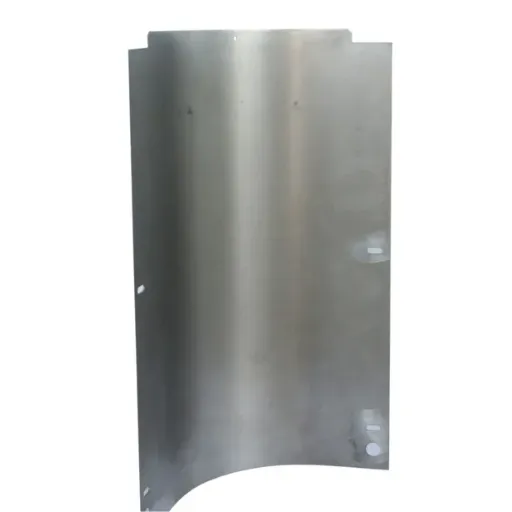
Sheet metal bending appears in nearly every industry that uses metal enclosures, brackets, or structural hardware. The applications below show how formed parts support different sectors.
Automotive
Automotive suppliers use bent sheet metal for brackets, heat shields, mounting plates, and structural reinforcements. Tight tolerances and lot-to-lot consistency are critical because these parts feed automated assembly lines.
HVAC and Appliances
Air conditioning units, furnaces, refrigerators, and ventilation systems rely on bent sheet metal for ducts, housings, panels, and brackets. These parts often need corrosion-resistant finishes and high-volume production economics.
See how bent components support climate-control equipment on our HVAC sheet metal parts industry page.
Electronics and Electrical Equipment
Electronics manufacturers use bending to form enclosures, chassis, shielding, and mounting hardware. Precision is essential because these parts must fit circuit boards, connectors, and displays with minimal clearance.
Furniture and Industrial Machinery
Bent sheet metal provides structural frames, guards, covers, and support hardware for machinery and furniture. These applications often combine bending with welding, stamping, and mechanical processing.
Renewable Energy and Telecommunications
Solar panel frames, wind turbine components, battery enclosures, and telecom cabinets all use formed sheet metal. These parts must withstand environmental stress while maintaining dimensional stability over large production runs.
Quality Considerations, Tolerances, and Common Defects
Even a simple bend can fail if process controls are weak. Understanding common defects and sheet metal bending tolerances helps buyers and engineers know what to specify and what to inspect. Industry publications such as Metalforming Magazine regularly cover advances in bending tooling, material behavior, and quality systems.
Springback
Springback is the most widespread bending challenge. If not compensated, parts arrive with angles that are slightly open compared to the drawing. The fix is usually process adjustment: overbending, changing tooling geometry, or using a press brake with adaptive crowning.
Cracking
Cracking occurs when the outer fiber of the bend exceeds the material's elongation limit. Causes include too-small bend radius, bending perpendicular to grain direction on hard materials, and cold-worked or defective material. Increasing bend radius and choosing the right material temper prevent most cracking.
Wrinkling and Distortion
Wrinkling happens when compressive stresses in the inner bend region buckle the material. It is more common in large-radius bends, thin materials, and unsupported edges. Proper die support, blank size, and bend sequence reduce distortion.
Tool Marks and Surface Damage
Punch and die surfaces can leave scratches, indentations, or galling marks on soft materials like aluminum, copper, and stainless steel. Polished tooling, press pads, and protective films help maintain cosmetic surfaces.
Inconsistent Angles and Dimensions
Variation in material thickness, hardness, and setup position produces inconsistent parts. Modern CNC press brakes with automatic backgauges, angle measurement, and crowning compensation deliver much tighter repeatability than manual equipment.
At Cangzhou Honglang, our quality and inspection process includes in-process dimensional checks and sample validation before mass production. That protects against the kind of lot-to-lot variation that disrupts customer assembly schedules.
How to Choose a Sheet Metal Bending Partner
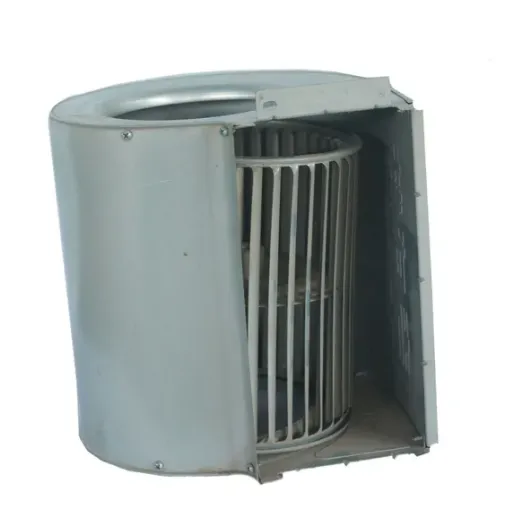
Selecting a supplier for bent sheet metal parts means evaluating more than price. The right partner can improve design, reduce tooling cost, and keep deliveries stable.
Look for In-House Tooling Capability
Suppliers who design and build their own bending tooling control lead time, quality, and revision speed. They can also recommend bend radius, k-factor, and forming sequence improvements that reduce cost.
Verify Equipment and Capacity
Ask about press brake tonnage, bed length, CNC capability, and backgauge accuracy. A supplier with multiple press brakes and automated bending cells can handle both prototype runs and high-volume orders without outsourcing.
Request Samples and Inspection Data
Before committing to volume production, review sample parts and dimensional reports. Confirm that bend angles, leg lengths, hole positions, and surface finish meet your requirements.
Evaluate Material and Finish Experience
If your part needs galvanized steel, stainless steel, aluminum, or a specific coating, choose a supplier with proven experience in that material. Coating compatibility, springback behavior, and handling requirements vary significantly.
Confirm Communication and Documentation
Custom bending projects often require drawing revisions, tolerance discussions, and first-article inspections. A supplier with direct engineering access responds faster and reduces misunderstanding.
Ready to evaluate your next sheet metal bending project? Send us your drawing and our engineering team will provide a free DFM review and detailed quote. Request a quote today.
Conclusion
Sheet metal bending turns flat material into functional geometry, but the results depend on understanding bend radius, k-factor, springback, material behavior, and tooling selection. A part that looks simple on a drawing can become expensive if these variables are ignored.
The key takeaways are clear: specify bend radius and tolerance realistically, choose materials and finishes that match the forming process, account for springback in tooling, and validate with samples before committing to full production.
If you are sourcing custom sheet metal parts, Cangzhou Honglang can support your project from design review through bending, welding, finishing, and assembly. With in-house tooling, 100+ stamping machines, and an engineering team of 20 technical professionals, we help customers produce bent components that fit, function, and ship on time.
Frequently Asked Questions About Sheet Metal Bending
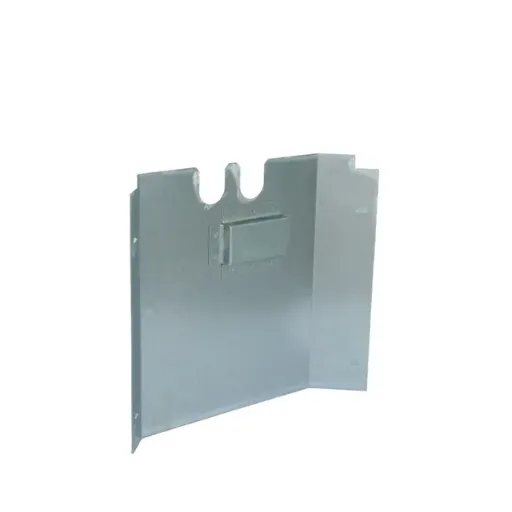
What is the minimum bend radius for sheet metal?
The minimum bend radius depends on material type, thickness, and temper. As a starting point, use a radius equal to or greater than the material thickness for ductile metals like mild steel and aluminum. Harder materials and coated sheets need larger radii to avoid cracking or coating damage.
How do you calculate bend allowance?
Bend allowance is calculated using the k-factor, bend radius, bend angle, and material thickness. The formula is: Bend Allowance = (π / 180) × Bend Angle × (Radius + K-Factor × Thickness). In practice, suppliers often refine this value with sample bends from the actual material lot.
What causes springback in sheet metal bending?
Springback is caused by elastic recovery in the material after the bending force is removed. Stronger materials, thinner sheets, and larger bend radii produce more springback. Press brake operators compensate by overbending or using tooling that sets the angle more aggressively.
Is sheet metal bending the same as sheet metal forming?
Sheet metal bending is one type of sheet metal forming. Forming is a broader category that includes bending, drawing, stamping, rolling, and stretching. Bending specifically reshapes the sheet along a line or curve without significant thinning or stretching of the overall part.
What industries use sheet metal bending?
Sheet metal bending is used in automotive, HVAC, electronics, appliance, furniture machinery, renewable energy, and telecommunications manufacturing. Any industry that needs brackets, enclosures, ducts, or structural hardware relies on bent sheet metal components.
Recently Posted
-
Metal Stamping Design Guidelines: 7 Rules for Better Parts
August 4, 2026Good metal stamping design guidelines start with matching the part geometry to the right process, material, and tolerance expectat Read More
 -
Stamped Electrical Terminals: A Complete Guide to Materials, Tolerances, and Sourcing
August 4, 2026Stamped electrical terminals are precision-formed metal components that create reliable electrical connections in automotive, elec Read More
 -
Electrical Hardware Stamping Components: A Buyer’s Guide
August 3, 2026Electrical hardware stamping components are precision metal parts made from sheet metal or strip material. They include terminals, Read More
 -
Sheet Metal Prototyping Services: A Complete Guide for Product Development
August 3, 2026Sheet metal prototyping services help engineers and product teams validate designs, test fit and function, and refine manufacturin Read More

Contact Us
Recommended Products
-
 Custom Sheet Metal Fabrication: Laser Cutting, Stamping, Bending & Assembly ServicesNegotiableMOQ: 1 Piece
 -
Custom Precision Stainless Steel Metal Stamping Parts for OEM ApplicationsNegotiableMOQ: 1 Piece
-
Custom Automotive Metal Stamping – Stator Rotor Contact Clips for ElectronicsNegotiableMOQ: 1 Piece
-
High-Strength Sheet Metal Stamping for Motorcycle and Automotive ApplicationsNegotiableMOQ: 1 Piece
-
Galvanized Steel Custom Metal Deep Drawing Components Outdoor Deep Drawn Equipment Protective HousingNegotiableMOQ: 1 Piece
-
Professional Sheet Metal Stamping Process Service for Aluminum or Stainless SteelNegotiableMOQ: 1 Piece
-
Customized Stamping Parts for Furniture Auto Electrical Spring ContactsNegotiableMOQ: 1 Piece
-
Precision Custom Metal Deep Drawing Components Custom Sheet Metal Forming Fabrication ServiceNegotiableMOQ: 1 Piece
-
Custom Precision Deep Drawing Stamping Metal Components for IndustryNegotiableMOQ: 1 Piece
-
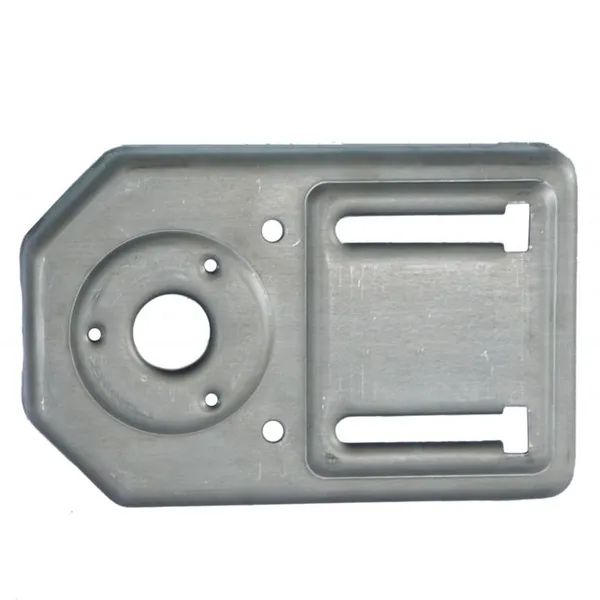
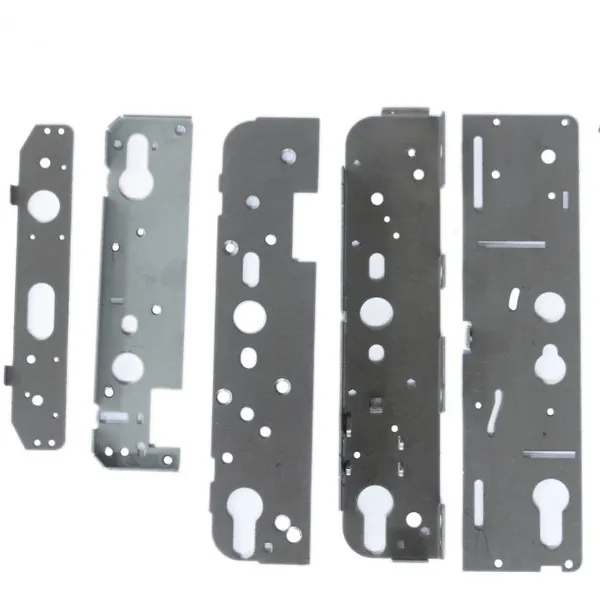
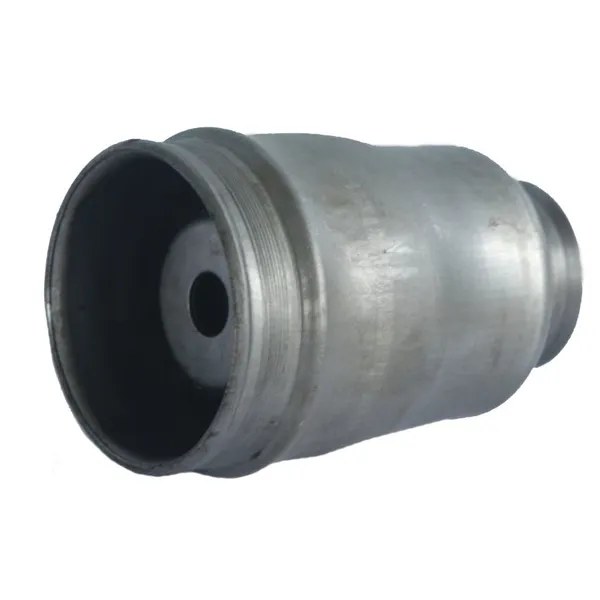
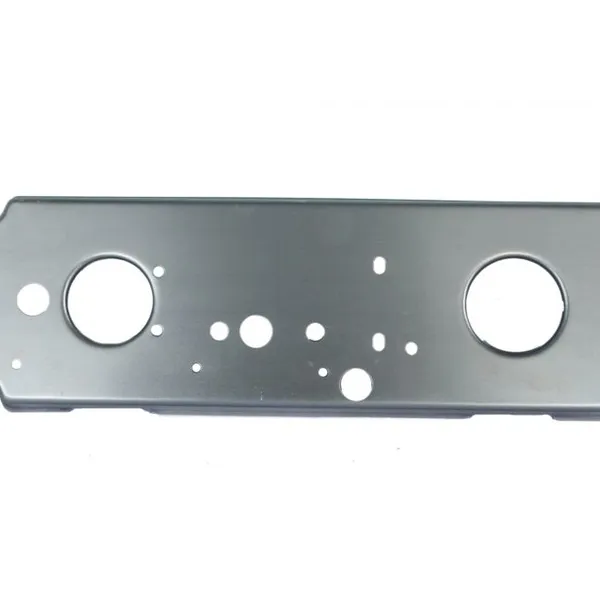
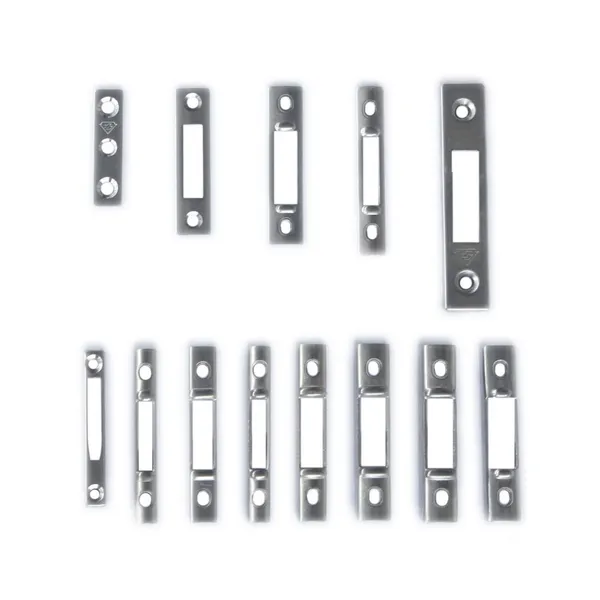
Stainless Steel Metal Stamping Components - Punching, Bending, Welding ServicesNegotiableMOQ: 1 Piece
-
Custom Deep Drawing Metal Stamping Components for Factory Construction MachineryNegotiableMOQ: 1 Piece
-
Ra0.4 Surface Roughness Metal Stamping Parts for Automotive Brackets PrecisionNegotiableMOQ: 1 Piece
-
Custom Stamping Parts Stamped Welded Deep Drawn Sheet Metal Fabrication ComponentsNegotiableMOQ: 1 Piece
-
Custom Stainless Steel Flat Leaf Spring – Metal Stamping PartsNegotiableMOQ: 1 Piece
-
Custom Sheet Metal Stamping Parts With Bending, Laser Cutting & Fabrication ServicesNegotiableMOQ: 1 Piece
-
Custom CNC Machined Sheet Metal Stamping, Bending, Welding, Laser Cutting & EDM Fabrication ServicesNegotiableMOQ: 1 Piece
-
Custom Precision Metal Stamping Parts High Tolerance Sheet Metal ComponentsNegotiableMOQ: 1 Piece
-
Custom Titanium Sheet Metal Stamping Parts Fabrication for Industrial UseNegotiableMOQ: 1 Piece
-
Durable Custom Metal Deep Drawing Components Surface Treated Forming Components for Construction Engineering EquipmentNegotiableMOQ: 1 Piece
-
China Manufacturer Custom Metal Deep Drawing Components Custom Sheet Metal Deep Drawing FabricationNegotiableMOQ: 1 Piece