Business License
Sheet Metal Cutting: Methods, Tolerances, and Supplier Selection
Sheet metal cutting is the process of separating flat metal stock into specific shapes, blanks, or profiles without forming the material. Common methods include laser cutting, plasma cutting, waterjet cutting, shearing, and punching, each producing different edge characteristics, tolerances, and cost structures.
That short definition cost one procurement manager three months of headaches. Sarah sourced a batch of stainless-steel panels for a food-processing OEM and chose the lowest quote without asking how the parts would be cut.
The supplier used plasma cutting to save time. The edges arrived dross-covered and heat-distorted, requiring expensive secondary grinding before welding. The part price looked good on paper, but the total cost nearly doubled.
If you buy or specify cut sheet metal parts, this guide will help you choose the right cutting method for your material, tolerance, and budget. You will learn how each process works, what edge quality and accuracy to expect, and how to evaluate a cutting supplier before you commit.
Key Takeaways
Sheet metal cutting separates flat stock into blanks or profiles using laser, plasma, waterjet, shearing, or punching.
Laser cutting offers tight tolerances and clean edges for thin-to-medium gauges; plasma cuts thicker conductive metals faster with more heat-affected zone.
Waterjet cutting avoids heat distortion and handles thick or reflective materials that lasers struggle with.
Shearing and punching are economical for simple straight cuts and repetitive hole patterns in higher volumes.
Cangzhou Honglang supports custom sheet metal parts with cutting, bending, welding, and finishing under one roof.
What Is Sheet Metal Cutting?
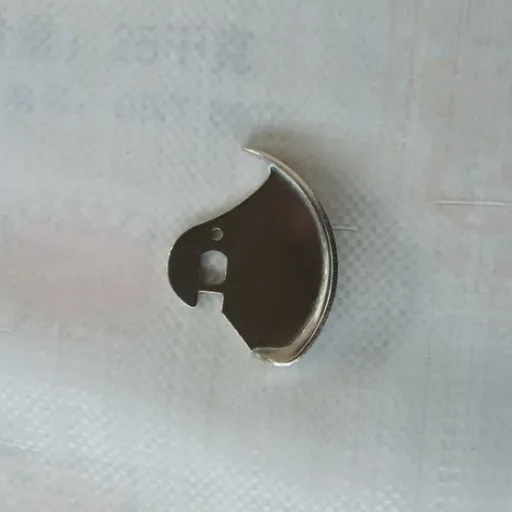
Sheet metal cutting removes material along a defined path to produce a flat part from sheet stock. Unlike machining, which removes material from a solid block, cutting starts with a thin sheet and separates it into the desired outline.
The process can be thermal, mechanical, or abrasive depending on the method. Laser and plasma use heat to melt or vaporize material. Waterjet uses a high-pressure abrasive stream.
Shearing and punching use mechanical force. Each approach leaves a different edge condition, heat-affected zone, and tolerance capability.
The choice of cutting method affects more than the cut itself. It influences:
Edge quality: Burr, dross, roughness, and squareness
Dimensional tolerance: Position accuracy and repeatability
Heat-affected zone (HAZ): Material property changes near the cut edge
Material utilization: Kerf width and nesting efficiency
Cost per part: Equipment, speed, consumables, and secondary operations
Understanding these trade-offs helps engineers design parts that are both functional and economical to produce. For more on modern cutting processes, see The Fabricator and Metalforming Magazine.
Want to see how cutting fits into a complete sheet metal program? Explore our custom sheet metal parts capabilities for cut, formed, and finished components.
Common Sheet Metal Cutting Methods
Each cutting method has strengths and limitations. Matching the method to the material, thickness, geometry, and tolerance is the first step toward a successful part.
Laser Cutting
Laser cutting uses a focused beam of light to melt, burn, or vaporize material along a programmed path. A cutting gas, usually oxygen or nitrogen, blows molten material out of the kerf.
Laser cutting excels at producing precise profiles in thin-to-medium gauge steel, stainless steel, and aluminum. It delivers narrow kerf widths, minimal heat-affected zones, and smooth edges that often require little or no secondary finishing. Complex geometries, small holes, and tight radii are all possible on modern fiber and CO2 laser systems.
The main limitations are reflective materials like copper and brass, very thick plates, and materials that conduct heat rapidly. For those situations, other methods may be more reliable.
Plasma Cutting
Plasma cutting passes an electrically conductive gas through a torch to create a high-temperature plasma arc. The arc melts the metal, and compressed gas ejects the molten material from the cut.
Plasma cutting is fast and cost-effective for thicker carbon steel and stainless steel. It handles materials from gauge thickness up to several inches, depending on the system. However, the cut edge typically shows dross and a wider heat-affected zone than laser cutting. Tolerances are looser, and secondary cleanup may be needed for weld-prep or cosmetic surfaces.
Plasma is often the right choice when speed and thickness capacity matter more than cosmetic edge quality.
Waterjet Cutting
Waterjet cutting uses a high-pressure stream of water, often mixed with abrasive garnet, to erode material along the cut path. Because it does not use heat, it produces no heat-affected zone and no thermal distortion.
Waterjet cutting works on almost any material, including reflective metals, thick plates, composites, and heat-sensitive alloys. Edge quality is excellent, though cut speed is slower than laser or plasma for thin materials. Operating costs include abrasive media, nozzles, and high-pressure pump maintenance.
Waterjet is ideal for parts where thermal distortion must be avoided or where materials are incompatible with thermal cutting.
Sheet Metal Shearing
Sheet metal shearing uses two blades to slice sheet metal along a straight line. It is one of the oldest and fastest cutting methods, commonly used for trimming blanks to size or cutting sheet to width.
Shearing is economical for straight-line cuts in high volumes. It produces a clean edge but can cause slight edge deformation near the cut line. It is not suitable for complex contours, small features, or tight-tolerance parts.
Punching
Punching uses a punch and die set to remove material by mechanical force. It is commonly used for holes, slots, and repetitive shapes in sheet metal.
Punching is efficient for high-volume production of simple geometries. Tooling must match each hole size and shape, so low-volume or highly variable work can be expensive. Modern CNC punching machines can combine punching with light forming operations in one setup.
For a broader look at how sheet metal cutting fits into sheet metal fabrication, see our overview of sheet metal fabrication services.
How Sheet Metal Cutting Affects Edge Quality and Tolerances
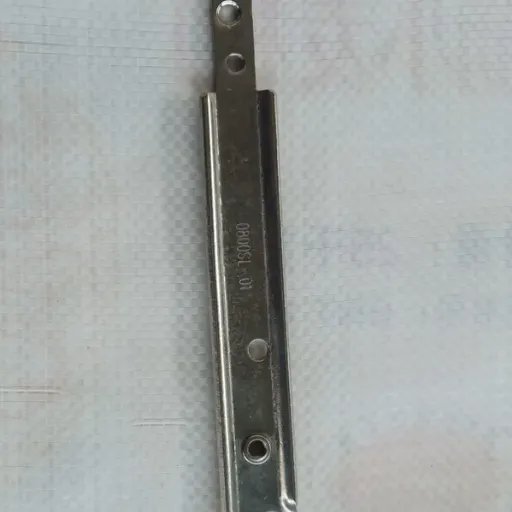
Sheet metal cutting is more than separating stock into shape. Edge quality and dimensional accuracy are usually the deciding factors when selecting a cutting method, and those results drive downstream costs.
Edge Quality
Laser cutting typically produces the cleanest edges with minimal burr. Nitrogen-assisted cutting leaves an oxide-free edge on stainless steel, which is important for cosmetic or corrosion-sensitive parts. Oxygen-assisted cutting on carbon steel may leave a thin oxide layer that needs removal before painting or welding.
Plasma cutting leaves more dross and a rougher edge. The heat-affected zone can harden the edge of carbon steel, which affects drilling, tapping, or bending nearby. Waterjet produces a smooth, satin-finish edge with no thermal damage but may show slight taper on very thick materials.
Shearing produces a straight, clean edge but can roll the top edge slightly. Punching leaves a small burr on the exit side and a slightly rounded entry edge.
Metal Cutting Tolerances
Metal cutting tolerances depend on machine condition, material stability, and part geometry. As a general guideline for sheet metal cutting:
| Cutting Method | Typical Tolerance | Best For |
|---|---|---|
| Laser cutting | ±0.1–0.2 mm | Thin-to-medium gauges, tight profiles |
| Plasma cutting | ±0.5–1.0 mm | Thick conductive metals, speed over finish |
| Waterjet cutting | ±0.1–0.3 mm | Reflective or heat-sensitive materials |
| Sheet metal shearing | ±0.5–1.5 mm | Straight-line, high-volume blanks |
| Punching | ±0.05–0.1 mm | Repetitive holes and slots |
These values are starting points, not guarantees. Material thickness, thermal expansion, and part nesting all affect final dimensions.
When Chen, a quality engineer at an electronics enclosure manufacturer, switched from plasma to laser cutting for a 2-mm aluminum panel, hole position tolerance improved from ±0.8 mm to ±0.15 mm. That single change eliminated the need for oversized holes and adapter washers, reducing assembly time and improving appearance.
Heat-Affected Zone
Thermal cutting methods alter material properties near the cut edge. The heat-affected zone can harden, soften, or create residual stresses depending on the material and process.
For parts that will be bent, welded, or heat-treated after cutting, the size and condition of the HAZ matter. Laser cutting produces a narrow HAZ. Plasma cutting produces a wider one. Waterjet produces none.
Materials and Sheet Metal Cutting Compatibility
Not every sheet metal cutting method works well with every material. Material type, thickness, and surface finish requirements all influence the choice in sheet metal fabrication.
Carbon Steel
Carbon steel is compatible with all common cutting methods. Laser cutting is preferred for thin-to-medium gauges with tight tolerances. Plasma cutting is economical for thicker plate. Waterjet works when thermal distortion must be avoided.
Stainless Steel
Stainless steel cuts well with laser and waterjet. Plasma cutting is possible but requires careful parameter control to minimize oxidation and edge discoloration. For cosmetic stainless parts, laser cutting with nitrogen assist is usually the best choice.
Aluminum
Aluminum reflects laser light and conducts heat rapidly, making cutting sheet metal made from aluminum more challenging than cutting steel. Modern fiber lasers handle aluminum well, especially in thinner gauges. Waterjet is a reliable alternative for reflective or thick aluminum.
Copper and Brass
Copper and brass are highly reflective and thermally conductive, which can make laser cutting inconsistent. Waterjet cutting is often preferred for these materials, particularly when edge quality matters.
Coated and Galvanized Steels
Coated steels can be laser cut, but the coating near the cut edge may vaporize or discolor. For parts where coating integrity is critical, waterjet or mechanical cutting may preserve more of the protective layer.
When Liu Wei, an HVAC buyer, ordered galvanized duct flanges, the first supplier laser-cut them without accounting for zinc coating. The cut edges were clean dimensionally but showed burned zinc that later rusted. Switching to a supplier who matched the cutting method to the coating requirement solved the corrosion issue.
Sheet Metal Cutting Applications Across Industries
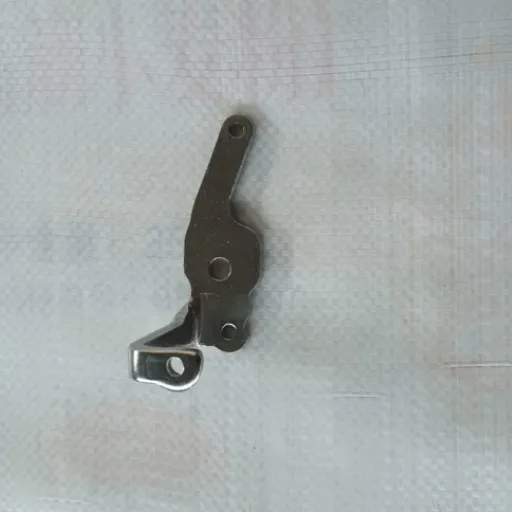
Sheet metal cutting supports nearly every industry that uses flat metal components.
Automotive
Automotive suppliers use laser-cut blanks for brackets, reinforcements, and mounting plates. Tight tolerances and clean edges support automated welding and assembly operations. See our automotive sheet metal parts capabilities for brackets, reinforcements, and mounting plates.
HVAC and Appliances
Ductwork, panels, housings, and brackets for HVAC systems are often cut on laser, plasma, or shearing equipment depending on tolerance and volume requirements. These custom sheet metal parts frequently move on to bending and assembly.
See how cut components support climate-control equipment on our HVAC sheet metal parts industry page.
Electronics and Electrical Equipment
Enclosures, chassis, shields, and mounting plates for electronics require precise cuts, clean edges, and small features. Laser cutting dominates this segment.
Furniture and Industrial Machinery
Structural frames, guards, covers, and support plates for machinery are often cut from carbon steel or stainless steel. These applications may combine cutting with bending, welding, and machining.
Renewable Energy and Telecommunications
Solar panel frames, battery enclosures, wind turbine components, and telecom cabinets all start as cut sheet metal blanks. Long-term durability and dimensional stability are critical.
Cost Factors in Sheet Metal Cutting
The quoted piece price is only part of the total cost. Understanding cost drivers helps buyers compare suppliers fairly.
Material Utilization
Nesting efficiency in sheet metal cutting affects how much scrap is produced per part. Laser and waterjet cutting can nest complex shapes tightly. Punching and shearing may waste more material when part geometry does not pack efficiently.
Cutting Speed
Laser cutting is fast for thin materials. Plasma is fast for thick conductive materials. Waterjet is slower but avoids secondary cleanup. Slower processes cost more per hour, but they may reduce downstream finishing costs.
Secondary Operations
Dross removal, deburring, edge grinding, and cleaning add cost. A lower cutting quote that requires extensive secondary work is often more expensive than a higher cutting quote with a clean edge.
Tooling and Setup
Punching and shearing require dedicated tooling. For low volumes or frequent design changes, laser or waterjet may be more economical because they need no physical tooling changes between parts.
Tolerance Requirements
Tighter tolerances require slower cutting speeds, better equipment, more frequent inspection, and more stable material. Specifying tighter tolerances than necessary increases cost without adding value.
How to Choose a Sheet Metal Cutting Supplier
Selecting a cutting supplier means looking beyond hourly rates. The right partner will recommend the most efficient method for your part and catch design issues before they become expensive problems.
Verify Equipment Capability
Ask what cutting systems the supplier operates. A supplier with laser, plasma, waterjet, shearing, and punching can choose the best method for each job rather than forcing every part through one machine.
Review Sample Parts
Request samples of custom sheet metal parts cut from the same material and thickness as your part. Inspect edge quality, dross, burr, squareness, and dimensional accuracy. Compare the sample to your drawing tolerances.
Ask About Nesting and Material Yield
A good supplier optimizes nesting to reduce scrap and cost. Ask how they nest parts and whether material utilization affects your quoted price.
Confirm Secondary Services
If you also need bending, welding, machining, or finishing, a supplier that handles these operations in-house reduces handling, lead time, and quality risk. Cangzhou Honglang combines custom sheet metal parts, bending, welding, and finishing under one roof.
Evaluate Communication and Documentation
Custom cutting projects require clear drawings, tolerance discussions, and first-article inspections. Direct engineering support speeds up problem-solving and reduces errors.
Ready to source your next sheet metal cutting project? Send us your drawing and our engineering team will recommend the best cutting method and provide a detailed quote. Request a quote today.
Frequently Asked Questions About Sheet Metal Cutting
What is the most accurate sheet metal cutting method?
Laser cutting generally offers the best combination of accuracy and edge quality for thin-to-medium gauge metals. Waterjet can also achieve tight tolerances, especially on thick or heat-sensitive materials. Punching delivers excellent hole-to-hole accuracy for repetitive features.
How thick can sheet metal be cut with a laser?
Modern fiber lasers can cut carbon steel up to 25 mm or more and stainless steel and aluminum up to 12–20 mm depending on laser power. Practical production thicknesses are usually lower to maintain speed and edge quality.
What is dross in plasma cutting?
Dross is molten metal that resolidifies on the bottom edge of a plasma-cut part. It occurs when cutting speed, amperage, or gas flow is not optimized. Dross can usually be removed by grinding or chipping but adds secondary cost.
Is waterjet cutting more expensive than laser cutting?
Waterjet is usually slower and has higher consumable costs than laser for thin materials. However, it can be more cost-effective for thick materials, reflective metals, or parts that would require expensive secondary cleanup after thermal cutting.
What tolerance can I expect from laser-cut parts?
Typical laser cutting tolerances range from ±0.1 mm to ±0.2 mm for thin gauges. Tighter tolerances may be possible on stable materials with well-maintained equipment, but they should be specified only when functionally required.
What are typical metal cutting tolerances?
Typical metal cutting tolerances range from ±0.05 mm for precise hole-to-hole punching up to ±1.5 mm for rough straight-line shearing. Laser and waterjet processes generally fall between ±0.1 mm and ±0.3 mm for most sheet metal cutting work.
Conclusion
Sheet metal cutting is not a one-size-fits-all process. The right method depends on material, thickness, tolerance, edge quality, and total cost. Laser, plasma, waterjet, shearing, and punching each have a place in a well-equipped fabrication shop.
The key takeaways are clear: match the cutting method to the material and tolerance, account for edge quality and secondary operations in total cost, and choose a supplier with the equipment and engineering support to recommend the right approach.
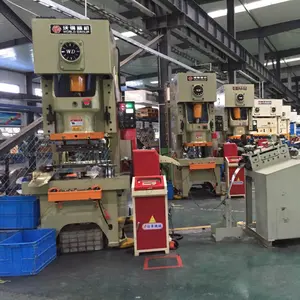
If you are sourcing custom sheet metal parts, Cangzhou Honglang can support your project from cutting and bending through welding, finishing, and assembly. With in-house tooling, 100+ stamping machines, and an engineering team of 20 technical professionals, we help customers produce cut components that meet specification and ship on time.
Recently Posted
-
Metal Stamping Design Guidelines: 7 Rules for Better Parts
August 4, 2026Good metal stamping design guidelines start with matching the part geometry to the right process, material, and tolerance expectat Read More
 -
Stamped Electrical Terminals: A Complete Guide to Materials, Tolerances, and Sourcing
August 4, 2026Stamped electrical terminals are precision-formed metal components that create reliable electrical connections in automotive, elec Read More
 -
Electrical Hardware Stamping Components: A Buyer’s Guide
August 3, 2026Electrical hardware stamping components are precision metal parts made from sheet metal or strip material. They include terminals,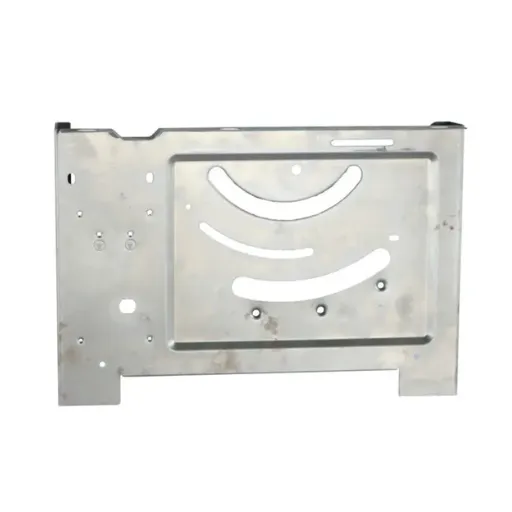 Read More
 -
Sheet Metal Prototyping Services: A Complete Guide for Product Development
August 3, 2026Sheet metal prototyping services help engineers and product teams validate designs, test fit and function, and refine manufacturin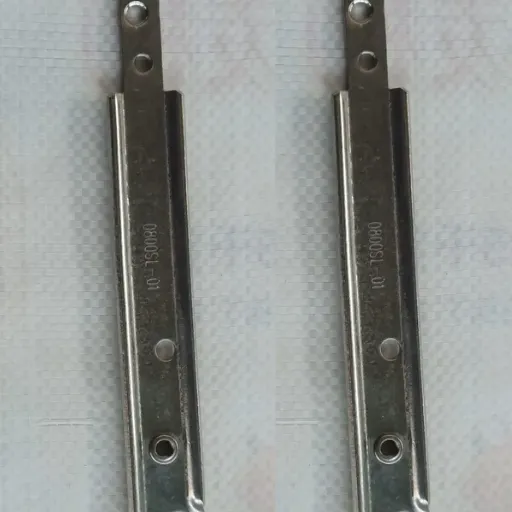 Read More

Contact Us
Recommended Products
-
 Custom Sheet Metal Fabrication: Laser Cutting, Stamping, Bending & Assembly ServicesNegotiableMOQ: 1 Piece
 -
Custom Precision Stainless Steel Metal Stamping Parts for OEM ApplicationsNegotiableMOQ: 1 Piece
-
Custom Automotive Metal Stamping – Stator Rotor Contact Clips for ElectronicsNegotiableMOQ: 1 Piece
-
High-Strength Sheet Metal Stamping for Motorcycle and Automotive ApplicationsNegotiableMOQ: 1 Piece
-
Galvanized Steel Custom Metal Deep Drawing Components Outdoor Deep Drawn Equipment Protective HousingNegotiableMOQ: 1 Piece
-
Professional Sheet Metal Stamping Process Service for Aluminum or Stainless SteelNegotiableMOQ: 1 Piece
-
Customized Stamping Parts for Furniture Auto Electrical Spring ContactsNegotiableMOQ: 1 Piece
-
Precision Custom Metal Deep Drawing Components Custom Sheet Metal Forming Fabrication ServiceNegotiableMOQ: 1 Piece
-
Custom Precision Deep Drawing Stamping Metal Components for IndustryNegotiableMOQ: 1 Piece
-
Stainless Steel Metal Stamping Components - Punching, Bending, Welding ServicesNegotiableMOQ: 1 Piece
-
Custom Deep Drawing Metal Stamping Components for Factory Construction MachineryNegotiableMOQ: 1 Piece
-
Ra0.4 Surface Roughness Metal Stamping Parts for Automotive Brackets PrecisionNegotiableMOQ: 1 Piece
-
Custom Stamping Parts Stamped Welded Deep Drawn Sheet Metal Fabrication ComponentsNegotiableMOQ: 1 Piece
-
Custom Stainless Steel Flat Leaf Spring – Metal Stamping PartsNegotiableMOQ: 1 Piece
-
Custom Sheet Metal Stamping Parts With Bending, Laser Cutting & Fabrication ServicesNegotiableMOQ: 1 Piece
-
Custom CNC Machined Sheet Metal Stamping, Bending, Welding, Laser Cutting & EDM Fabrication ServicesNegotiableMOQ: 1 Piece
-
Custom Precision Metal Stamping Parts High Tolerance Sheet Metal ComponentsNegotiableMOQ: 1 Piece
-
Custom Titanium Sheet Metal Stamping Parts Fabrication for Industrial UseNegotiableMOQ: 1 Piece
-
Durable Custom Metal Deep Drawing Components Surface Treated Forming Components for Construction Engineering EquipmentNegotiableMOQ: 1 Piece
-
China Manufacturer Custom Metal Deep Drawing Components Custom Sheet Metal Deep Drawing FabricationNegotiableMOQ: 1 Piece