Business License
Sheet Metal Forming: Methods, Design Rules, and Supplier Selection
Sheet metal forming is the process of shaping flat sheet stock into three-dimensional parts without removing material. Common metal forming processes include bending, stamping, deep drawing, roll forming, and hydroforming, each suited to different geometries, materials, and production volumes.
That short definition hid a costly lesson for one product engineer sourcing sheet metal fabrication for a new power-supply line. David was developing a stainless-steel enclosure for the line. He designed a sharp 90-degree bend with zero inside radius, assuming the supplier could form it exactly like the CAD model.
The first samples cracked at the bend line. The material could not flow around a radius smaller than its own thickness, and the flat pattern had not accounted for springback. David lost four weeks redesigning the part, revising the blank size, and re-cutting samples before the program could move forward.
If you design or source formed sheet metal parts, this guide will help you choose the right forming method and avoid common design mistakes. You will learn how each process works, what materials and tolerances to expect, and how to evaluate a forming supplier before production begins.
Key Takeaways
Sheet metal forming shapes flat stock into 3D parts through bending, stamping, deep drawing, roll forming, and hydroforming.
Bending is ideal for angles and flanges; stamping produces complex cut-and-formed features; deep drawing creates cup-shaped or box-shaped parts.
Material thickness, grain direction, bend radius, and k-factor all affect formability and final dimensions.
Springback, thinning, and wrinkling are common forming challenges that tooling and process control can manage.
Cangzhou Honglang supports custom sheet metal parts with cutting, forming, welding, and finishing under one roof.
What Is Sheet Metal Forming?
Sheet metal forming reshapes flat metal sheet into a desired geometry by applying force, heat, or pressure. Unlike machining or cutting, forming does not remove material. It moves the metal into a new shape while preserving most of the original mass.
The process can be done at room temperature (cold forming) or at elevated temperature (hot forming). Most precision sheet metal forming processes are cold formed because they deliver better surface finish, tighter tolerances, and faster cycle times. Hot forming is reserved for thick material or alloys with low ductility.
Common forming actions include:
Bending: Creating angles, flanges, and channels along a straight axis
Stretching: Expanding material over a punch or die
Drawing: Pulling material into a cavity to create depth
Compressing: Squeezing material between tools to create local shapes
Coining: Applying high pressure to refine details or emboss features
Each action changes the stress state inside the sheet. Understanding where the material stretches, compresses, or flows helps engineers design parts that form consistently and hold tolerance.
Want to see how forming fits into a complete sheet metal program? Explore our custom sheet metal parts capabilities for cut, formed, and finished components.
Common Sheet Metal Forming Methods
Each forming method has strengths, limits, and typical applications. Matching the method to the part geometry, material, and volume is the first step toward a successful project. Industry guidance from The Fabricator and Metalforming Magazine consistently shows that method selection is the top driver of forming cost and quality.
The most common sheet metal forming methods are:
Bending — creates angles, flanges, and channels
Stamping — cuts, forms, pierces, or embosses in one press stroke
Deep drawing — pulls sheet metal into a die cavity
Roll forming — gradually bends a strip into a continuous profile
Hydroforming — uses pressurized fluid to push metal into a die
Spinning — forms a rotating disc over a mandrel
The sections below explain each method in detail.
| Forming Method | Best For | Typical Volume | Tooling Cost | Example Parts |
|---|---|---|---|---|
| Bending | Angles, flanges, channels | Low to medium | Low | Brackets, enclosures, boxes |
| Stamping | Complex cut-and-formed features | High | Medium to high | Clips, shields, terminals |
| Deep drawing | Cup-shaped or box-shaped parts | Medium to high | High | Tanks, pots, panels |
| Roll forming | Long continuous profiles | High | Medium | Rails, angles, structural sections |
| Hydroforming | Complex smooth shapes | Low to medium | High | Exhausts, ducts, frames |
| Spinning | Axisymmetric custom shapes | Low to medium | Low | Cones, domes, cylinders |
Sheet Metal Bending
Sheet metal bending forms flat stock along a straight line to create angles, flanges, channels, and boxes. A press brake uses a punch to press the sheet into a V-die, U-die, or custom tooling.
Bending is economical, flexible, and widely used for low-to-medium volumes. It handles a broad range of materials and thicknesses. The main design considerations are bend radius, bend angle, k-factor, and springback.
For a deeper look at bending-specific design rules and tolerances, see our guide to sheet metal bending.
Stamping
Stamping uses a punch and die set to cut, form, pierce, or emboss metal in a single press stroke. Progressive die stamping performs multiple operations in one continuous feed, making it efficient for high-volume production.
Stamping can produce complex geometries with tight repeatability. It requires dedicated tooling, so low volumes or frequent design changes may not be cost-effective. Modern stamping systems can combine blanking, bending, and piercing in one die.
For parts that move from forming into precision cutting, our stamping components capabilities keep production under one roof.
Deep Drawing
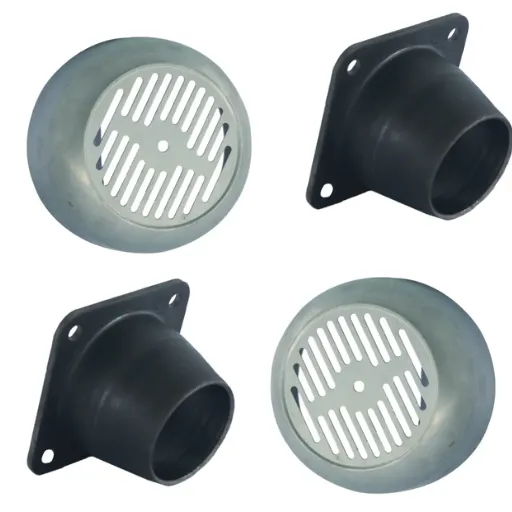
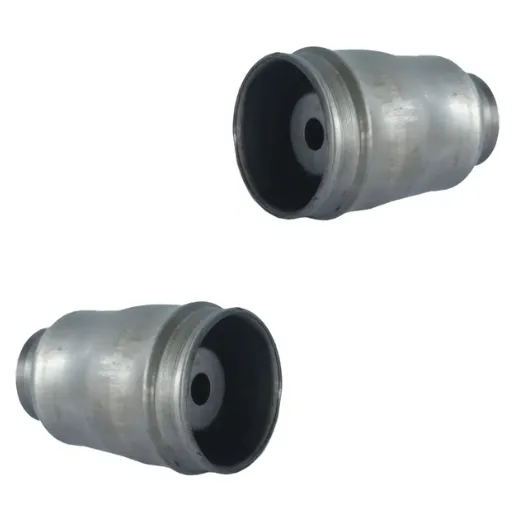
Deep drawing pulls flat sheet metal into a die cavity to create cup-shaped, box-shaped, or cylindrical parts. The blank is held by a blank holder while a punch draws the material into the die.
Deep drawing is used for fuel tanks, cooking pots, enclosures, and automotive panels. The process requires careful control of blank size, draw ratio, material properties, and lubrication to prevent tearing or wrinkling.
Roll Forming
Roll forming passes a long strip of metal through a series of contoured rolls, gradually bending it into a continuous profile. It is ideal for long, uniform sections such as channels, angles, and structural rails.
Roll forming is highly efficient for long production runs. Tooling cost is moderate, but changeover time and line setup can make short runs expensive. The process produces excellent dimensional consistency along the length of the profile.
Hydroforming
Hydroforming uses pressurized fluid to push sheet metal into a die cavity. It can create complex, smooth shapes with fewer welds and tighter corner radii than conventional stamping.
Hydroforming is common in automotive exhaust components, aerospace ducts, and bicycle frames. Equipment and tooling costs are higher than bending or stamping, but the process can consolidate multiple parts into one formed component.
Spinning
Spinning forms a rotating metal disc over a mandrel using a roller tool. It is used for axisymmetric parts such as cones, domes, and cylinders.
Spinning is economical for prototypes and small batches because tooling is simple. It is slower than deep drawing for high volumes but offers excellent flexibility for custom shapes.
For a broader look at how forming, cutting, and finishing work together, see our overview of sheet metal fabrication services.
How Sheet Metal Forming Affects Part Design
Forming is not just a manufacturing step. It shapes how a part functions, how it assembles, and how much it costs to produce.
Bend Radius
The inside bend radius must be large enough to prevent cracking but small enough to meet the design intent. As a general rule, the minimum inside bend radius equals the material thickness for ductile metals. More brittle materials require larger radii.
A bend radius that is too small creates high outer-fiber strain and can cause cracks. A radius that is too large may interfere with mating parts or create weak springback.
K-Factor and Bend Allowance
When sheet metal bends, the neutral axis shifts toward the inside of the bend. The k-factor defines where the neutral axis sits relative to material thickness. It is used to calculate bend allowance, which determines the flat blank length before forming.
Different materials, thicknesses, and bend radii produce different k-factors. Using the wrong value leads to incorrect blank sizes and parts that do not meet drawing dimensions.
Grain Direction
Sheet metal has a grain direction from the rolling process. Bending parallel to the grain direction generally produces cleaner bends with less cracking risk. Bending perpendicular to the grain can accept tighter radii in some materials but may show rougher surfaces.
Designers should note grain direction on drawings when bend quality or radius limits are critical.
Springback
Springback is the elastic recovery that occurs after a bend is released. The metal returns partially toward its original shape, so the final angle is slightly larger than the die angle.
Springback depends on material strength, thickness, bend radius, and bend angle. Higher-strength materials spring back more. Tooling can compensate by overbending, and CNC press brakes can measure and correct angles in real time.
When Anita, an automotive bracket designer, switched from mild steel to high-strength steel to save weight, her first-formed samples were 3 degrees off from the drawing angle. The press brake supplier added an overbend angle and adjusted the backgauge sequence, bringing every part within ±0.5 degrees.
Materials and Sheet Metal Forming Compatibility
Not all materials behave the same way in sheet metal forming. Ductility, yield strength, and work-hardening rate determine how easily a metal can be shaped.
Carbon Steel
Low-carbon steel is one of the most formable materials. It bends, stamps, and draws well. Higher-carbon grades are stronger but less ductile, requiring larger bend radii and more forming force.
Stainless Steel
Austenitic stainless steels such as 304 form well but work-harden rapidly. They require more forming force than carbon steel and may need intermediate annealing for severe draws. Ferritic stainless steels are less ductile and more prone to cracking in tight radii.
Aluminum
Aluminum is lightweight and formable, especially in the annealed or H32 tempers. It springbacks more than steel, so bend angle compensation is important. Aluminum also work-hardens, so deep drawing may require annealing between stages.
Copper and Brass
Copper and brass are highly ductile and form easily. They are common in electrical hardware, decorative parts, and heat exchangers. They work-harden quickly, so multiple forming steps may need annealing.
Coated and Galvanized Steels
Coated steels can be formed, but the coating may crack or flake at tight radii. For severe forming, choose a coating grade designed for ductility or accept that some coating damage may occur at bend lines.
When Hassan, an HVAC buyer, ordered galvanized duct corners, the first supplier used too small a bend radius. The zinc coating cracked along the bend line, exposing bare steel that rusted within months. Switching to a supplier who matched bend radius to the coating grade solved the corrosion problem.
Common Sheet Metal Forming Defects and How to Prevent Them
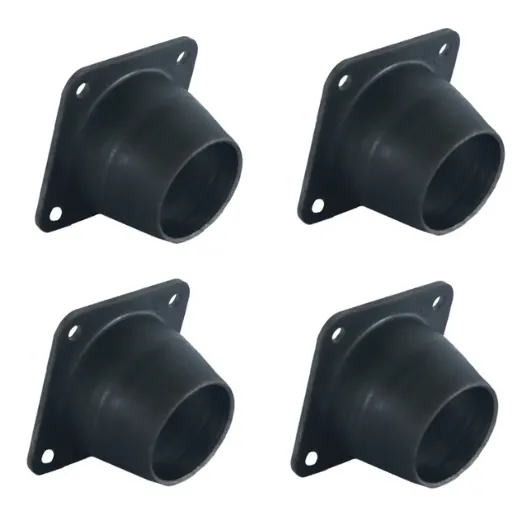
Even well-designed parts can fail in sheet metal forming if process parameters are not controlled. Recognizing common defects helps engineers specify realistic tolerances and process requirements.
Cracking
Cracks form when outer-fiber strain exceeds the material's ductility. Causes include bend radius too small, material grain direction wrong, or work-hardened metal. Prevention starts with correct bend radius, proper blank orientation, and material selection.
Wrinkling
Wrinkles form when compressive stresses cause the sheet to buckle. This is common in deep drawing where unsupported flange material is pushed inward. Blank holders, draw beads, and proper blank size reduce wrinkling.
Thinning and Necking
Material thins where it stretches the most. Excessive thinning weakens the part and can lead to tearing. Controlling punch geometry, draw ratios, and lubrication keeps thinning within acceptable limits.
Springback Variation
Springback becomes a problem when it varies from part to part. Material thickness variation, hardness differences, and tool wear all contribute. In-process angle measurement and adaptive press brake control help maintain consistency.
Surface Marks and Gouging
Tool marks, scratches, and galling can appear on formed surfaces. Polished tooling, proper lubrication, and protective films reduce surface damage. Cosmetic parts may require secondary finishing after forming.
Sheet Metal Forming Applications Across Industries
Sheet metal forming supports nearly every industry that needs custom sheet metal parts and shaped metal components.
Automotive
Automotive suppliers use formed brackets, reinforcements, exhaust components, and body panels. Tight tolerances and repeatable springback control support automated assembly and welding.
See our automotive sheet metal parts capabilities for brackets, reinforcements, and structural hardware.
HVAC and Appliances
Ductwork, housings, panels, and brackets for HVAC systems rely heavily on bending and roll forming. These parts often combine cutting, forming, and assembly in one production flow.
See how formed components support climate-control equipment on our HVAC sheet metal parts industry page.
Electronics and Electrical Equipment
Enclosures, chassis, shields, and mounting plates require precise bends, small radii, and clean surfaces. Bending and stamping dominate this segment.
Furniture and Industrial Machinery
Structural frames, guards, covers, and support plates for machinery are often formed from carbon steel or stainless steel. These applications may combine forming with welding and machining.
Renewable Energy and Telecommunications
Solar panel frames, battery enclosures, wind turbine components, and telecom cabinets all start as formed sheet metal blanks. Long-term durability and dimensional stability are critical.
Cost Factors in Sheet Metal Forming
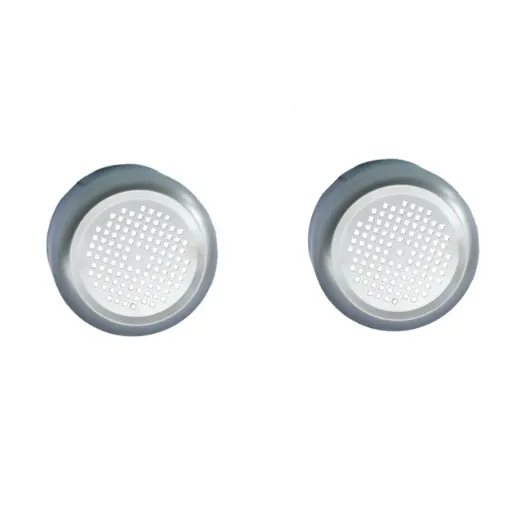
The quoted piece price for sheet metal forming is only part of the total cost. Understanding cost drivers helps buyers compare suppliers fairly.
Tooling
Bending requires press brake tooling, which is often standard. Stamping and deep drawing require custom dies, which add upfront cost but lower per-part cost at volume. Roll forming and hydroforming also require dedicated tooling.
Material Utilization
Blank size, nesting efficiency, and scrap rate affect material cost. Deep drawing produces more scrap from the blank periphery than bending. Optimizing the blank shape and nesting pattern reduces waste.
Forming Speed and Labor
Bending is relatively slow per part but flexible. Stamping and roll forming are fast once set up. Labor cost depends on part handling, inspection, and secondary operations.
Secondary Operations
Deburring, welding, hardware insertion, coating, and assembly add cost. A lower forming quote that requires extensive secondary work may be more expensive than a higher quote with a cleaner process.
Tolerance Requirements
Tighter bend angles, smaller radii, and stricter dimensional tolerances require better tooling, more process control, and more inspection. Specifying tighter tolerances than necessary increases cost without adding value.
How to Choose a Sheet Metal Forming Supplier
Selecting a forming supplier means looking beyond hourly rates. The right partner will recommend the most efficient method for your part and catch design issues before they become expensive problems.
Verify Equipment Capability
Ask what forming systems the supplier operates. A supplier with press brakes, stamping presses, deep drawing equipment, and roll forming lines can choose the best method for each job rather than forcing every part through one machine.
Review Sample Parts
Request formed samples from the same material and thickness as your part. Inspect bend angles, radii, surface quality, and dimensional accuracy. Compare the sample to your drawing tolerances and confirm the supplier's dimensional inspection and quality validation process matches your requirements.
Ask About Tooling Strategy
A good supplier explains whether standard tooling, soft tooling, or hard tooling is appropriate for your volume. They should also estimate tooling lead time and cost. A supplier with in-house mold design and tooling capabilities can reduce tooling lead time and iterate faster on complex stamped or drawn parts.
Confirm Secondary Services
If you also need cutting, welding, machining, or finishing, a supplier that handles these operations in-house reduces handling, lead time, and quality risk. Cangzhou Honglang combines sheet metal cutting, sheet metal bending, welding and assembly, and finishing under one roof.
Evaluate Engineering Support
Custom forming projects require clear drawings, tolerance discussions, and first-article inspections. Direct engineering support speeds up problem-solving and helps refine designs for manufacturability before parts reach the shop floor. Download our design for manufacturability guide for a checklist you can use with your engineering team before sending parts to production.
Frequently Asked Questions About Sheet Metal Forming
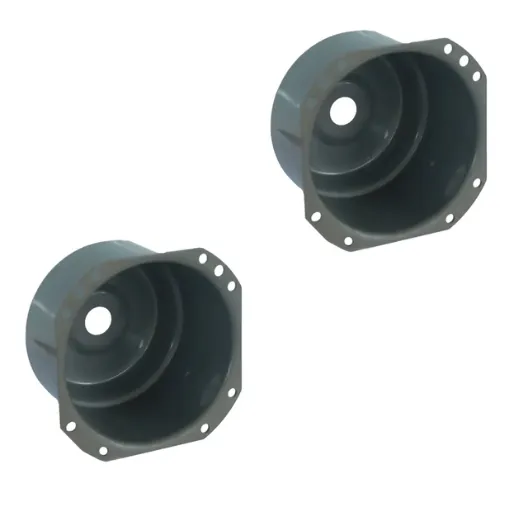
What is the difference between sheet metal forming and sheet metal cutting?
Sheet metal forming reshapes flat metal without removing material. Sheet metal cutting separates material along a defined path to create blanks or profiles. Many parts require both: cutting produces the flat blank, and forming creates the 3D shape.
What is the minimum bend radius for sheet metal?
The minimum bend radius depends on material, thickness, and temper. A common starting point is one material thickness for ductile metals. Brittle materials, high-strength steels, and certain aluminum tempers require larger radii.
What is springback in sheet metal bending?
Springback is the elastic recovery that occurs after a bend is released. The final angle is slightly larger than the die angle because the metal springs back. Tooling compensation, overbending, and real-time angle measurement control springback.
Which materials are best for deep drawing?
Low-carbon steel, austenitic stainless steel, aluminum in soft tempers, copper, and brass all draw well. The best choice depends on part depth, draw ratio, strength requirement, and corrosion resistance.
Is stamping or bending better for sheet metal parts?
Bending is better for low-to-medium volumes, simple angles, and frequent design changes. Stamping is better for high volumes, complex geometries, and tight repeatability. Some parts use both processes in sequence.
Conclusion
Sheet metal forming is not a one-size-fits-all process. The right method depends on part geometry, material, tolerance, volume, and total cost. Bending, stamping, deep drawing, roll forming, hydroforming, and spinning each have a place in a well-equipped fabrication shop.
The key takeaways are clear: match the forming method to the material and geometry, account for bend radius, k-factor, and springback in the design, and choose a supplier with the equipment and engineering support to recommend the right approach.
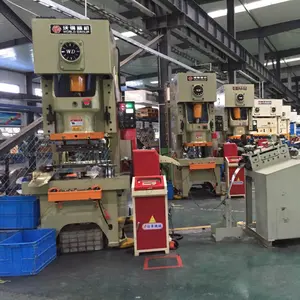
If you are sourcing custom sheet metal parts, Cangzhou Honglang can support your sheet metal forming project from cutting and forming through welding, finishing, and assembly. With in-house tooling, 100+ stamping machines, and an engineering team of 20 technical professionals, we help customers produce formed components that meet specification and ship on time.
Recently Posted
-
Metal Stamping Design Guidelines: 7 Rules for Better Parts
August 4, 2026Good metal stamping design guidelines start with matching the part geometry to the right process, material, and tolerance expectat Read More
 -
Stamped Electrical Terminals: A Complete Guide to Materials, Tolerances, and Sourcing
August 4, 2026Stamped electrical terminals are precision-formed metal components that create reliable electrical connections in automotive, elec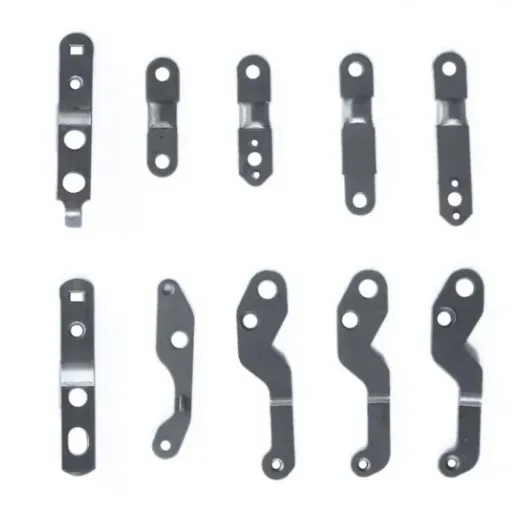 Read More
 -
Electrical Hardware Stamping Components: A Buyer’s Guide
August 3, 2026Electrical hardware stamping components are precision metal parts made from sheet metal or strip material. They include terminals,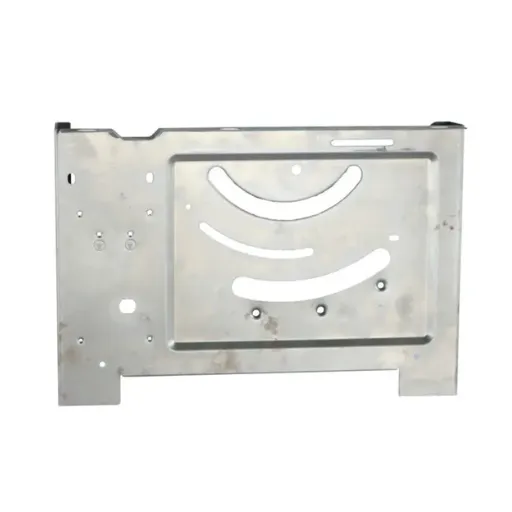 Read More
 -
Sheet Metal Prototyping Services: A Complete Guide for Product Development
August 3, 2026Sheet metal prototyping services help engineers and product teams validate designs, test fit and function, and refine manufacturin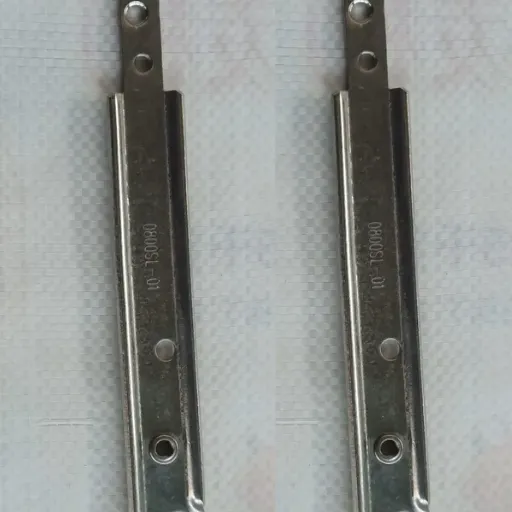 Read More

Contact Us
Recommended Products
-
 Custom Sheet Metal Fabrication: Laser Cutting, Stamping, Bending & Assembly ServicesNegotiableMOQ: 1 Piece
 -
Custom Precision Stainless Steel Metal Stamping Parts for OEM ApplicationsNegotiableMOQ: 1 Piece
-
Custom Automotive Metal Stamping – Stator Rotor Contact Clips for ElectronicsNegotiableMOQ: 1 Piece
-
High-Strength Sheet Metal Stamping for Motorcycle and Automotive ApplicationsNegotiableMOQ: 1 Piece
-
Galvanized Steel Custom Metal Deep Drawing Components Outdoor Deep Drawn Equipment Protective HousingNegotiableMOQ: 1 Piece
-
Professional Sheet Metal Stamping Process Service for Aluminum or Stainless SteelNegotiableMOQ: 1 Piece
-
Customized Stamping Parts for Furniture Auto Electrical Spring ContactsNegotiableMOQ: 1 Piece
-
Precision Custom Metal Deep Drawing Components Custom Sheet Metal Forming Fabrication ServiceNegotiableMOQ: 1 Piece
-
Custom Precision Deep Drawing Stamping Metal Components for IndustryNegotiableMOQ: 1 Piece
-
Stainless Steel Metal Stamping Components - Punching, Bending, Welding ServicesNegotiableMOQ: 1 Piece
-
Custom Deep Drawing Metal Stamping Components for Factory Construction MachineryNegotiableMOQ: 1 Piece
-
Ra0.4 Surface Roughness Metal Stamping Parts for Automotive Brackets PrecisionNegotiableMOQ: 1 Piece
-
Custom Stamping Parts Stamped Welded Deep Drawn Sheet Metal Fabrication ComponentsNegotiableMOQ: 1 Piece
-
Custom Stainless Steel Flat Leaf Spring – Metal Stamping PartsNegotiableMOQ: 1 Piece
-
Custom Sheet Metal Stamping Parts With Bending, Laser Cutting & Fabrication ServicesNegotiableMOQ: 1 Piece
-
Custom CNC Machined Sheet Metal Stamping, Bending, Welding, Laser Cutting & EDM Fabrication ServicesNegotiableMOQ: 1 Piece
-
Custom Precision Metal Stamping Parts High Tolerance Sheet Metal ComponentsNegotiableMOQ: 1 Piece
-
Custom Titanium Sheet Metal Stamping Parts Fabrication for Industrial UseNegotiableMOQ: 1 Piece
-
Durable Custom Metal Deep Drawing Components Surface Treated Forming Components for Construction Engineering EquipmentNegotiableMOQ: 1 Piece
-
China Manufacturer Custom Metal Deep Drawing Components Custom Sheet Metal Deep Drawing FabricationNegotiableMOQ: 1 Piece