Business License
Precision Sheet Metal Fabrication: An Engineering Guide to Tight-Tolerance Parts
Precision sheet metal fabrication is the production of sheet metal parts held to tight dimensional tolerances, typically through controlled cutting, CNC bending, forming, and finishing. It is the right choice when parts must fit assemblies reliably, mate with other components, or perform in demanding electrical, automotive, or medical applications.
What separates a standard bracket from a precision part? Often it is a tolerance band measured in tenths of a millimeter rather than whole millimeters, hole patterns that must line up across bends, or edge quality that cannot interfere with sealing or conductivity. The Fabricator regularly covers how shops achieve these tolerances through equipment, tooling, and process control. If you are sourcing custom sheet metal parts where fit, function, and repeatability matter, this guide explains the processes, tolerances, design rules, and supplier capabilities that determine success.
Key Takeaways
Precision sheet metal fabrication holds tolerances often in the ±0.05 mm to ±0.25 mm range, depending on material thickness and feature type.
Laser cutting, CNC press-brake bending, and controlled forming deliver the repeatability that precision assemblies require.
Tolerance stacks, bend allowance, and hole-to-bend distance are the most common sources of fit problems in precision parts.
Inspection with CMMs, gauges, and optical systems is essential to verify precision before parts reach assembly.
The best precision sheet metal fabrication suppliers combine in-house engineering, stable equipment, and documented quality systems.
What Is Precision Sheet Metal Fabrication?
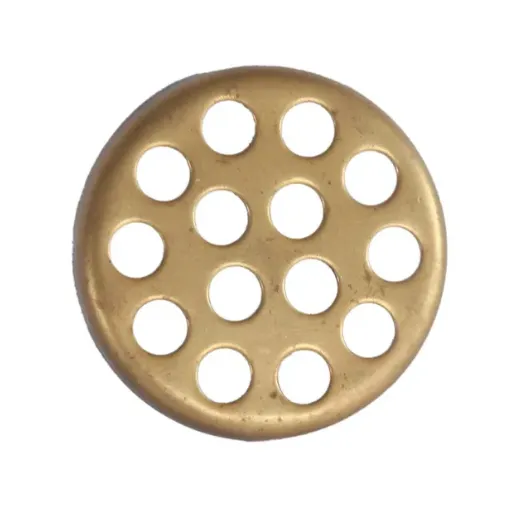
Precision sheet metal fabrication refers to sheet metal work where dimensional accuracy, edge condition, and repeatability are critical to part function. It is a subset of precision metal fabrication, which also includes CNC machining, stamping, and other processes that hold tight tolerances. While general fabrication may accept tolerances of ±0.5 mm or more, precision fabrication targets tighter bands, often:
Hole positions: ±0.05 mm to ±0.1 mm
Linear cut dimensions: ±0.1 mm to ±0.2 mm
Bend angles: ±0.5° to ±1°
Bend-to-edge distance: ±0.15 mm to ±0.3 mm
These tolerances are achievable when the right equipment, tooling, and process controls are in place. The goal is not simply to make parts that look correct. The goal is to make every lot fit the next assembly without adjustment, rework, or selective fitting.
When Elena, a sourcing manager at a medical device OEM, switched suppliers for a stainless-steel instrument chassis, the first two lots from her new vendor arrived within drawing tolerance on every dimension. However, the mounting holes for a printed circuit board (PCB) shifted by 0.15 mm between lots. That small variation was enough to make connector alignment unreliable. After moving to a precision-focused fabricator with in-process CMM sampling and tooling compensation, her lot-to-lot variation dropped below 0.05 mm. Warranty returns on the assembly fell by 34% over the next year.
Need help holding tight tolerances on your next sheet metal project? Send us your drawing for a free DFM review and tolerance analysis.
Core Processes in Precision Sheet Metal Fabrication
Precision depends on controlling every operation that changes the geometry of the part. The four main process groups are cutting, bending, forming, and finishing or joining. At Cangzhou Honglang, these fabrication capabilities are supported by in-house tooling and process engineering so that each operation contributes to the final tolerance.
Precision Laser Cutting
Laser cutting is the dominant method for precision sheet metal fabrication because it produces narrow kerfs, clean edges, and minimal heat-affected zones. Modern fiber lasers can hold ±0.05 mm on thin sheet and cut features close to the material thickness.
Key precision factors include:
Beam focus and nozzle condition: A worn nozzle or misaligned focus can widen kerfs and distort hole geometry.
Assist gas pressure: Proper nitrogen or oxygen pressure keeps edges clean and dross-free.
Nesting strategy: How parts are arranged on the sheet affects thermal distortion and material utilization.
Material hold-down: Stable sheet support prevents movement during cutting, especially for thin gauges.
For very fine features, such as small ventilation slots or micro-perforations, tooling-based methods like chemical etching or micro-stamping may be more suitable than laser alone.
CNC Press-Brake Bending
CNC press-brake bending is where most tolerance challenges appear. Once a flat blank is cut, bending introduces springback, tool deflection, and material variability. Precision bending controls these effects through:
CNC backgauges: Programmable stops position the blank with repeatability to ±0.05 mm or better.
Precision tooling: Ground punches and dies matched to material thickness and bend radius.
Crowning systems: Hydraulic or mechanical crowning compensates for machine deflection across long bends.
Angle measurement: Real-time angle sensors adjust ram depth to hit target angles consistently.
At Cangzhou Honglang, CNC sheet metal bending is supported by process analysis and tooling selection that accounts for material grade, thickness, and grain direction. This reduces first-article setup time and improves lot-to-lot consistency.
Forming, Punching, and Hardware Insertion
Some precision parts need forms beyond simple bends, such as louvers, embosses, countersinks, or threaded inserts. These operations require:
Dedicated forming tools designed to the exact geometry
Controlled press tonnage to avoid over-forming or cracking
Hardware insertion verification to confirm pull-out strength and thread integrity
For high-volume precision parts, progressive die stamping can replace multiple fabrication steps and hold tighter tolerances at lower per-part cost. The choice between fabrication and stamping depends on volume, complexity, and tooling budget.
Tolerances and Design Rules for Precision Sheet Metal Parts
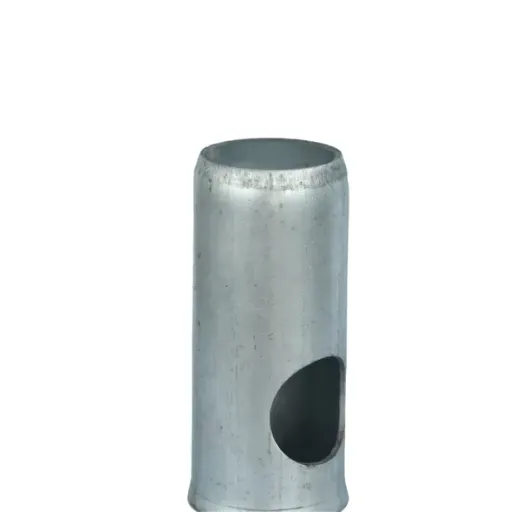
Designing for precision sheet metal fabrication means thinking about how each feature is made and how variations combine in the final assembly. The sheet metal tolerances you specify should match the manufacturing process, inspection method, and functional requirements of the part.
Common Tolerance Expectations
The table below shows typical precision capabilities for common sheet metal features. Actual capability depends on material, thickness, equipment, and tooling.
| Feature | Typical Precision Tolerance | Notes |
|---|---|---|
| Laser-cut hole diameter | ±0.05 mm to ±0.1 mm | Smaller holes and thicker material widen tolerance |
| Linear cut edge | ±0.1 mm to ±0.2 mm | Depends on sheet stability and heat input |
| Bend angle | ±0.5° to ±1° | Achievable with CNC crowning and angle feedback |
| Hole-to-bend distance | ±0.15 mm to ±0.25 mm | Closer holes increase risk of distortion |
| Overall formed dimension | ±0.2 mm to ±0.4 mm | Stacks with multiple bends |
Critical Design Rules
These rules help designers avoid the most common precision problems:
Keep holes away from bend lines: A general rule is to place holes at least 1.5× material thickness plus bend radius from the bend line. Closer holes can deform or tear.
Design for bend allowance: The flat pattern must account for how much material stretches along the bend. The k-factor depends on material, thickness, and bend radius.
Minimize tolerance stacks: Every bend, cut, and hole adds variation. Where possible, dimension features from a single stable datum rather than from bend lines.
Specify hole callouts clearly: Use diameter and position tolerance where alignment matters. Avoid chaining dimensions through multiple features.
Consider material grain direction: Bending parallel to the grain can cause cracking on tight radii. Specify grain direction when it affects formability.
When the design team at a renewable-energy inverter manufacturer revised their enclosure, they originally dimensioned mounting feet from three separate bend lines. Tolerance stacks pushed the foot positions outside the assembly window on 12% of parts. After redesigning the feet to reference a single laser-cut datum edge, first-pass acceptance rose to 98%.
Want a DFM review before you release your next precision design? Request a free quote and our engineering team will flag tolerance risks and suggest improvements.
Materials Used in Precision Sheet Metal Fabrication
Material selection affects both manufacturability and final performance. Common materials for precision sheet metal parts include:
Cold-rolled steel (CRS): Good strength and surface finish; common for brackets, enclosures, and chassis.
Stainless steel (304, 316, 430): Corrosion resistance, cleanability, and strength; used in medical, food, and outdoor applications.
Aluminum (5052, 6061): Lightweight and corrosion-resistant; popular for electronics and aerospace parts.
Copper and brass: High conductivity and attractive finish; used in electrical hardware and decorative parts.
Galvanized and coated steels: Corrosion protection for HVAC, automotive, and appliance components.
Material thickness also affects precision. Thinner materials cut cleanly but can distort during handling and bending. Thicker materials are more rigid but require more bending force and may show wider thermal distortion during laser cutting.
Inspection and Quality Control
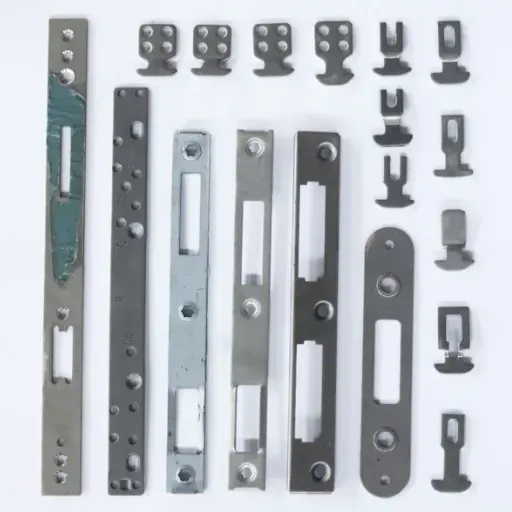
Precision cannot be verified by eye. A robust quality system for precision sheet metal fabrication uses measurement tools matched to the tolerance band. SME publishes standards and training resources on dimensional metrology that many shops use to calibrate these practices.
Common Inspection Equipment
Coordinate measuring machines (CMMs): Measure complex geometries and hole patterns against CAD models.
Optical comparators and vision systems: Check small holes, slots, and edge profiles without contact.
Height gauges and calipers: Quick checks of linear dimensions and bend heights.
Gauge pins and fixtures: Verify hole diameters and assembly interfaces.
Angle gauges and sine bars: Confirm bend angles on critical features.
Quality Practices That Matter
First-article inspection (FAI): Verify the first production part against all drawing requirements before running the lot.
In-process inspection: Sample dimensions during the run to catch drift early.
Statistical process control (SPC): Track trends in key dimensions to prevent out-of-tolerance conditions.
Material certificates and traceability: Confirm material grade, heat number, and certifications for regulated industries.
At Cangzhou Honglang, dimensional inspection is integrated into the production flow for precision sheet metal parts. Our quality process supports customers who need consistent parts for automotive, electronics, HVAC, and renewable-energy assemblies.
Applications That Demand Precision Sheet Metal Fabrication
Not every bracket needs precision tolerances. The following applications typically require tighter control:
Electronics enclosures: PCB mounting holes, connector cutouts, and EMC shielding features must align with assemblies.
Medical devices: Instrument chassis, mounting trays, and housings need clean edges and repeatable fit for regulatory compliance.
Automotive sensors and modules: Brackets and shields must interface with other components without rework on the line.
Telecommunications hardware: Rack-mounted chassis and heat sinks require precise hole patterns and consistent form factors.
Aerospace interiors and avionics: Lightweight panels and brackets must meet strict dimensional and documentation requirements.
Renewable-energy inverters and power supplies: Enclosures and busbar supports must handle thermal cycling and vibration while maintaining fit.
In each case, the cost of a misfit part is far higher than the part itself. A single out-of-tolerance chassis can delay assembly, trigger rework, or cause field failures. Precision fabrication reduces that risk.
Choosing a Precision Sheet Metal Fabrication Supplier
Supplier selection for precision work goes beyond price and delivery. When you evaluate sheet metal fabrication companies for tight-tolerance work, look at these capabilities before placing a precision order:
1. Equipment and Process Control
Look for modern laser cutting systems, CNC press brakes with crowning and angle feedback, and in-house tooling capability. Ask about equipment age, maintenance schedules, and calibration records.
2. Engineering Support
A supplier with in-house engineers can review your drawing, identify tolerance risks, and propose design changes that improve manufacturability. This is especially valuable early in product development.
3. Quality System and Inspection
Ask whether the supplier performs first-article inspection, in-process checks, and final inspection with documented records. CMM capability is a strong indicator for precision work.
4. Experience in Your Industry
Suppliers who have produced parts for your application type already understand the documentation, material, and finish expectations you face.
5. Capacity and Scalability
Precision capability should not come at the cost of volume flexibility. Confirm the supplier can handle prototype quantities, pilot runs, and full production without changing processes or tooling partners.
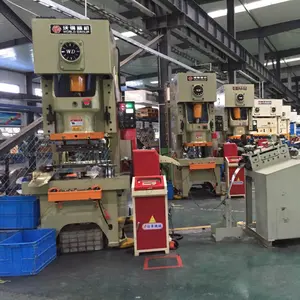
Cangzhou Honglang operates more than 100 sets of stamping and fabrication machinery across a 10,000-square-meter facility with 4,000 square meters of built-up production area. Our engineering team of 20 technical professionals supports customers from process analysis and tooling design through precision sheet metal fabrication and finishing. We produce components for automotive, electronics, HVAC, furniture machinery, wind power, power supply, and telecommunications applications.
Cost Drivers in Precision Sheet Metal Fabrication
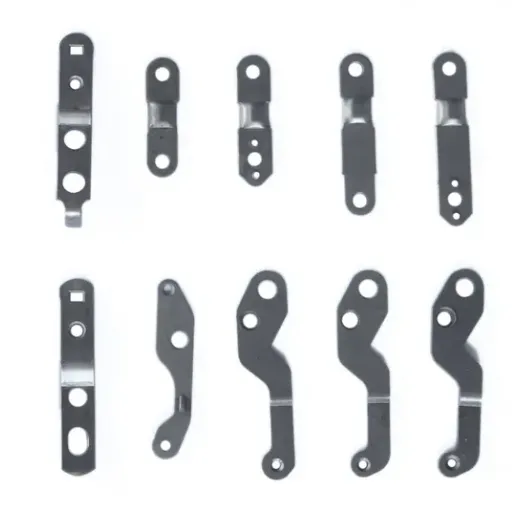
Precision work costs more than general fabrication, but the gap can be managed through smart design and supplier choice.
Factors That Increase Cost
Tighter tolerances: Tolerances below ±0.1 mm often require slower cutting, specialized tooling, and more inspection.
More complex geometries: Additional bends, forms, and hardware increase setup and cycle time.
Premium materials: Stainless steel, aluminum, and copper cost more than plain carbon steel.
Secondary operations: Plating, coating, welding, or machining add steps and handling.
Low volumes: Setup costs are spread across fewer parts, raising per-piece price.
Factors That Reduce Cost
Design for manufacturability (DFM): Simplifying geometry and relaxing non-critical tolerances lowers production risk.
Standard materials and finishes: Using commonly stocked materials reduces lead time and material cost.
Volume scaling: Higher volumes justify dedicated tooling and automation, reducing per-part cost.
Single-source production: Working with one supplier for cutting, bending, finishing, and assembly reduces handling and coordination cost.
When Raj, a procurement manager for an industrial controls company, moved three precision brackets from a fabricator that outsourced bending to a supplier with in-house CNC bending and welding, he cut total lead time from six weeks to three weeks. More importantly, the elimination of one handoff reduced dimensional variation by 40%, which saved his assembly team hours of fit-up time every month.
Ready to reduce variation and lead time on your precision parts? Request a quote and see how integrated precision sheet metal fabrication can improve your supply chain.
Precision Sheet Metal Fabrication vs. Metal Stamping
Both processes produce metal parts from sheet material, but they suit different production profiles.
| Factor | Precision Sheet Metal Fabrication | Metal Stamping |
|---|---|---|
| Best volume range | Prototypes to medium volumes | Medium to high volumes |
| Tooling cost | Lower, often universal tooling | Higher, dedicated dies |
| Lead time for first samples | Days to two weeks | Weeks to months including tooling |
| Tolerance capability | ±0.05 mm to ±0.25 mm depending on feature | ±0.02 mm to ±0.1 mm with precision dies |
| Design flexibility | High, easy to revise | Lower, revisions require die changes |
| Part complexity | Complex geometries, welded assemblies | Repeatable parts with consistent geometry |
Many programs start with fabrication for prototypes and low volumes, then transition to stamping once volumes justify tooling. Cangzhou Honglang offers both sheet metal parts and stamping components, which allows customers to stay with one supplier as volumes grow.
FAQ: Precision Sheet Metal Fabrication
What is precision sheet metal fabrication?
Precision sheet metal fabrication is the production of sheet metal parts with tight dimensional tolerances, clean edges, and high lot-to-lot repeatability. It uses controlled cutting, CNC bending, forming, and inspection to produce parts that fit assemblies reliably.
What tolerances can precision sheet metal fabrication hold?
Typical tolerances range from ±0.05 mm for small laser-cut holes to ±0.25 mm for overall formed dimensions. Actual capability depends on material, thickness, equipment, and feature type.
Which industries use precision sheet metal parts?
Electronics, medical devices, automotive, telecommunications, aerospace, and renewable energy are common industries. These sectors need parts that align with assemblies and perform under stress.
Is laser cutting or stamping better for precision parts?
Laser cutting is better for prototypes, complex shapes, and low-to-medium volumes. Stamping is more cost-effective for high volumes and can hold tighter tolerances with dedicated tooling. The best choice depends on volume, complexity, and budget.
How do I choose a precision sheet metal fabrication supplier?
Look for modern equipment, in-house engineering, documented quality systems, CMM inspection capability, and experience in your industry. Ask for sample parts, inspection reports, and references before committing.
Conclusion
Precision sheet metal fabrication turns flat metal stock into parts that fit, function, and repeat. Success depends on more than good equipment. It requires disciplined process control, intelligent design, thorough inspection, and a supplier who treats your tolerance requirements as seriously as you do.
When you source custom sheet metal parts, focus on the details that drive fit: hole-to-bend distances, bend allowances, tolerance stacks, and material behavior. Choose a supplier with the engineering depth and quality systems to verify those details before parts ship.
Cangzhou Honglang combines precision sheet metal fabrication, stamping, welding, and mechanical processing under one roof. With 100+ sets of machinery, 20 technical professionals, and a quality-first philosophy, we help customers move from prototype to production with confidence.
Recently Posted
-
Metal Stamping Design Guidelines: 7 Rules for Better Parts
August 4, 2026Good metal stamping design guidelines start with matching the part geometry to the right process, material, and tolerance expectat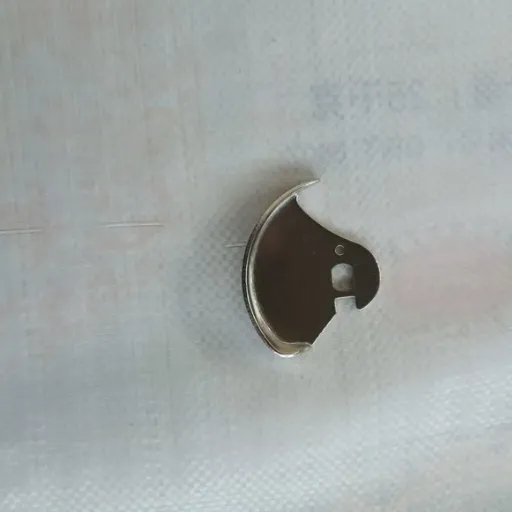 Read More
 -
Stamped Electrical Terminals: A Complete Guide to Materials, Tolerances, and Sourcing
August 4, 2026Stamped electrical terminals are precision-formed metal components that create reliable electrical connections in automotive, elec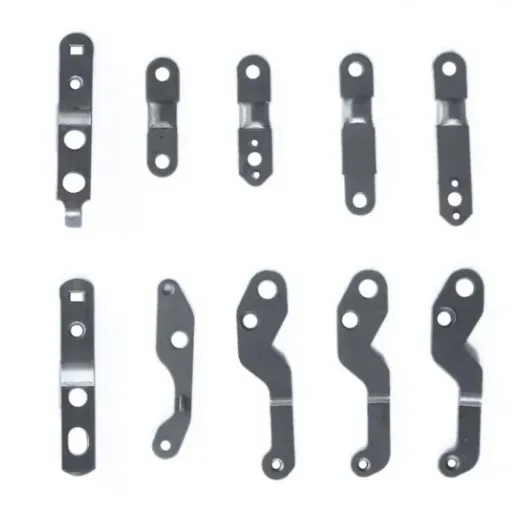 Read More
 -
Electrical Hardware Stamping Components: A Buyer’s Guide
August 3, 2026Electrical hardware stamping components are precision metal parts made from sheet metal or strip material. They include terminals,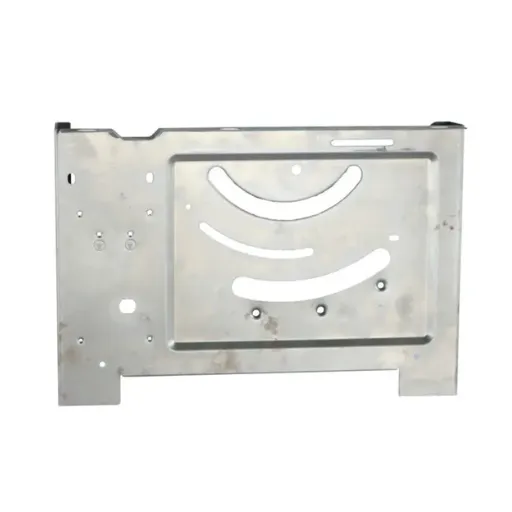 Read More
 -
Sheet Metal Prototyping Services: A Complete Guide for Product Development
August 3, 2026Sheet metal prototyping services help engineers and product teams validate designs, test fit and function, and refine manufacturin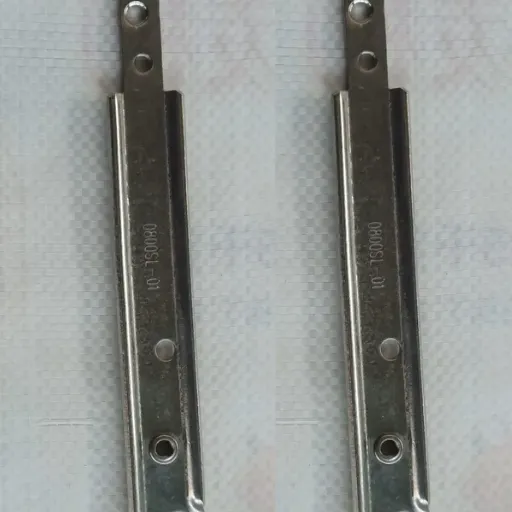 Read More

Contact Us
Recommended Products
-
 Custom Sheet Metal Fabrication: Laser Cutting, Stamping, Bending & Assembly ServicesNegotiableMOQ: 1 Piece
 -
Custom Precision Stainless Steel Metal Stamping Parts for OEM ApplicationsNegotiableMOQ: 1 Piece
-
Custom Automotive Metal Stamping – Stator Rotor Contact Clips for ElectronicsNegotiableMOQ: 1 Piece
-
High-Strength Sheet Metal Stamping for Motorcycle and Automotive ApplicationsNegotiableMOQ: 1 Piece
-
Galvanized Steel Custom Metal Deep Drawing Components Outdoor Deep Drawn Equipment Protective HousingNegotiableMOQ: 1 Piece
-
Professional Sheet Metal Stamping Process Service for Aluminum or Stainless SteelNegotiableMOQ: 1 Piece
-
Customized Stamping Parts for Furniture Auto Electrical Spring ContactsNegotiableMOQ: 1 Piece
-
Precision Custom Metal Deep Drawing Components Custom Sheet Metal Forming Fabrication ServiceNegotiableMOQ: 1 Piece
-
Custom Precision Deep Drawing Stamping Metal Components for IndustryNegotiableMOQ: 1 Piece
-
Stainless Steel Metal Stamping Components - Punching, Bending, Welding ServicesNegotiableMOQ: 1 Piece
-
Custom Deep Drawing Metal Stamping Components for Factory Construction MachineryNegotiableMOQ: 1 Piece
-
Ra0.4 Surface Roughness Metal Stamping Parts for Automotive Brackets PrecisionNegotiableMOQ: 1 Piece
-
Custom Stamping Parts Stamped Welded Deep Drawn Sheet Metal Fabrication ComponentsNegotiableMOQ: 1 Piece
-
Custom Stainless Steel Flat Leaf Spring – Metal Stamping PartsNegotiableMOQ: 1 Piece
-
Custom Sheet Metal Stamping Parts With Bending, Laser Cutting & Fabrication ServicesNegotiableMOQ: 1 Piece
-
Custom CNC Machined Sheet Metal Stamping, Bending, Welding, Laser Cutting & EDM Fabrication ServicesNegotiableMOQ: 1 Piece
-
Custom Precision Metal Stamping Parts High Tolerance Sheet Metal ComponentsNegotiableMOQ: 1 Piece
-
Custom Titanium Sheet Metal Stamping Parts Fabrication for Industrial UseNegotiableMOQ: 1 Piece
-
Durable Custom Metal Deep Drawing Components Surface Treated Forming Components for Construction Engineering EquipmentNegotiableMOQ: 1 Piece
-
China Manufacturer Custom Metal Deep Drawing Components Custom Sheet Metal Deep Drawing FabricationNegotiableMOQ: 1 Piece