Business License
Custom Sheet Metal Enclosure Manufacturing: A Complete Design & Sourcing Guide
Custom sheet metal enclosure manufacturing is the process of designing, cutting, bending, and assembling metal housings that protect electronics, machinery, controls, and sensitive equipment. A well-built enclosure does more than cover components. It shields against dust, moisture, electromagnetic interference, and physical impact while providing access for installation, service, and ventilation.
What makes an enclosure project succeed? The answer lies in matching material, design, and manufacturing process to the application. A sealed outdoor electrical box faces different demands than an indoor server rack or a handheld instrument case. Get the specification right early, and you avoid costly rework, field failures, and supply-chain delays.
In this guide, we walk through everything buyers and design engineers need to know about custom sheet metal enclosure manufacturing. You will learn how to choose materials, avoid common design mistakes, estimate cost, and select a supplier that can scale from prototypes to production.
Key Takeaways
Custom sheet metal enclosure manufacturing combines design, material selection, cutting, bending, and assembly to build protective housings for equipment.
Material choice, enclosure type, IP/NEMA rating, and finishing drive both performance and cost.
Design-for-manufacturing decisions such as bend radius, hole placement, and seam design reduce tooling cost and improve lead times.
Prototyping through sheet metal fabrication and moving to stamping or higher-volume fabrication can lower per-unit cost as volumes grow.
Cangzhou Honglang supports custom sheet metal enclosures from prototype to production with in-house fabrication, tooling, and engineering review.
What Is Custom Sheet Metal Enclosure Manufacturing?
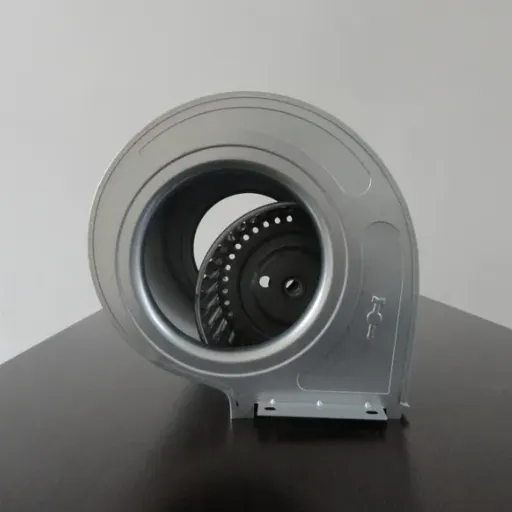
A sheet metal enclosure is a fabricated housing built from flat metal stock. Manufacturing typically follows these steps:
Design review confirms dimensions, tolerances, access requirements, and environmental ratings.
Material selection matches the metal grade and thickness to the application.
Cutting uses laser, plasma, or shear to produce flat blanks.
Bending forms panels, flanges, and channels on brake presses or folders.
Joining uses welding, riveting, or fasteners to assemble the box.
Finishing adds coatings, plating, or silk-screening for protection and branding.
Hardware installation adds hinges, latches, gaskets, and mounting points.
Inspection verifies dimensions, fit, and finish before shipment.
Because every enclosure is built to a drawing, the process is highly customizable. Wall thickness, opening patterns, surface finish, and internal mounting can all be adjusted for the end use.
When Li Wei, a power-supply engineer, needed a compact enclosure for a new 2U rackmount unit, he started with a hand-sketched concept. His supplier converted the sketch into a 3D model, selected 1.2 mm cold-rolled steel, added ventilation slots and PEM inserts, and delivered first prototypes in twelve days. Those prototypes revealed that the cable-entry cutout was too close to a bend. The drawing was revised without tooling changes, and production samples followed two weeks later.
Common Enclosure Types and Applications
Different equipment needs different enclosure geometries. Here are the most common types Cangzhou Honglang produces.
Electrical and Electronic Enclosures
These housings protect circuit boards, power supplies, controllers, and terminal blocks. Common features include vent patterns, cable glands, DIN rail mounting, and EMI shielding. Materials typically include cold-rolled steel, galvanized steel, aluminum, or stainless steel.
Industrial Control Boxes
Control boxes house PLCs, relays, contactors, and operator interfaces. They are often wall-mounted or floor-standing and may need gasketed doors to meet IP or NEMA ratings. Internal mounting panels and cable-management features are common.
Server and Telecom Racks
Rackmount enclosures follow standard widths such as 19 inches and are measured in rack units. They need precise hole patterns, load-bearing shelves, and airflow management. Aluminum is popular for lighter weight.
Instrument and Handheld Cases
Smaller enclosures protect test equipment, meters, and portable devices. These often use thinner material, formed corners, and cosmetic finishes. Surface quality and dimensional consistency matter more than raw strength.
Outdoor and Environmental Housings
Outdoor enclosures face rain, dust, temperature swings, and UV exposure. They require sealed seams, gasketing, corrosion-resistant materials, and often powder coating. Ratings such as IP65, IP66, or NEMA 4 guide the design.
If your project fits one of these categories, our sheet metal parts team can review your drawing and recommend material, finish, and assembly options.
Material Selection for Sheet Metal Enclosures
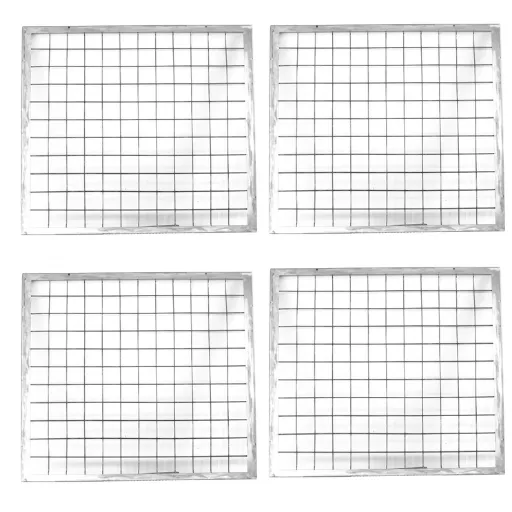
Material affects cost, weight, corrosion resistance, shielding, and appearance. The table below compares common choices.
| Material | Strengths | Best For |
|---|---|---|
| Cold-rolled steel | Cost-effective, strong, easy to finish | Indoor enclosures, general industrial |
| Galvanized steel | Better corrosion resistance than CRS | Outdoor or humid environments |
| Stainless steel | Corrosion resistant, durable, premium appearance | Food, medical, marine, harsh environments |
| Aluminum | Lightweight, conductive, corrosion resistant | Portable instruments, telecom, heat-sensitive electronics |
| Brass / copper | Excellent conductivity, EMI shielding | Specialized electrical and RF enclosures |
Thickness and Gauge
Thicker walls add strength and impact resistance but increase weight and cost. Thinner material reduces weight and cost but may vibrate or dent more easily. Common thicknesses range from 0.8 mm to 2.5 mm for typical enclosures, with heavier industrial housings using 3 mm or more.
Coatings and Finishes
Powder coating provides durable, colored, corrosion-resistant surfaces.
Plating such as zinc or nickel improves conductivity and corrosion resistance.
Anodizing protects aluminum while adding color and wear resistance.
Passivation restores stainless-steel corrosion resistance after machining or welding.
Silk-screening adds labels, logos, and operating instructions.
For outdoor or food-grade applications, material and finish choices should align with the expected cleaning chemicals, temperature range, and regulatory requirements.
Design Considerations for Custom Enclosures
Good enclosure design balances function, manufacturability, and cost. Below are the decisions that most often affect project success.
Bend Radius and Clearance
Inside bend radius should typically equal or exceed material thickness. Tight bends can crack material or distort nearby holes. Holes and slots should stay at least two to three times material thickness from bend lines to avoid deformation.
Access and Serviceability
Plan doors, removable panels, and cable-entry points before cutting steel. Service access reduces field labor and improves reliability. Hinged doors, quarter-turn latches, and captive fasteners are common solutions.
Ventilation and Thermal Management
Electronics generate heat. Enclosures need louvers, fans, heat sinks, or ventilation slots sized for the thermal load. At the same time, openings must not compromise the required IP or NEMA rating.
Sealing and Environmental Ratings
IP ratings define protection against solids and liquids. NEMA ratings add criteria for corrosion, icing, and oil resistance. Meeting a rating requires more than a good drawing. It depends on gasket selection, seam design, fastener spacing, and consistent manufacturing.
Mounting and Internal Layout
Internal brackets, DIN rails, and threaded inserts should be positioned for the actual components. PEM inserts, weld nuts, and tapped holes each have different cost and strength trade-offs.
A design engineer named Chen learned this lesson on a renewable-energy controller project. His first enclosure drawing placed mounting holes only 4 mm from a bend line. During prototype forming, the holes distorted and the panels would not align. Moving the holes 10 mm away and adding a small relief notch solved the problem at no extra cost.
Manufacturing Processes for Enclosures
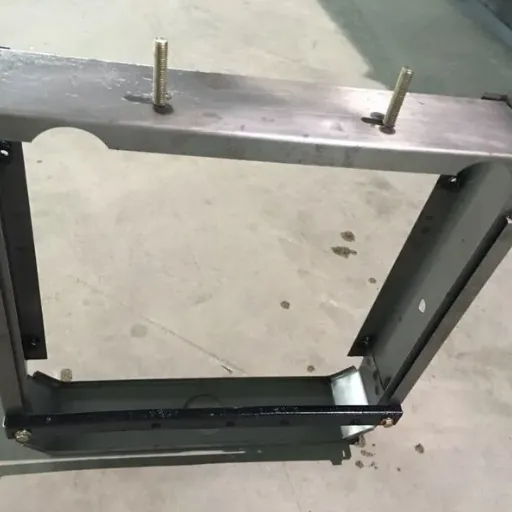
Custom sheet metal enclosure manufacturing uses several processes depending on volume and geometry.
Laser Cutting
Laser cutting produces precise contours, holes, and slots with minimal setup. It is ideal for prototypes and low-to-medium volumes because no hard tooling is required. Complex vent patterns and custom cutouts are easy to program.
CNC Punching
CNC punching is efficient for repeated hole patterns, louvers, and standard shapes. It can be faster than laser for high volumes of simple features, though tool changes add setup time.
Brake Press Bending
Brake press bending forms panels, flanges, and boxes. Standard tooling handles most enclosure geometries. Multiple bends can be sequenced to build complex housings from a single blank.
Welding and Assembly
Welding joins panels permanently. Spot welding, MIG welding, and TIG welding each suit different materials and strength requirements. Riveting and clinching offer alternatives where welding would distort thin material.
Hardware Insertion
Self-clinching fasteners, PEM inserts, and threaded standoffs are pressed into panels to create secure mounting points. This is faster and more reliable than tapping thin sheet metal.
At Cangzhou Honglang, our capabilities span laser cutting, CNC punching, brake press bending, welding, and hardware insertion. That lets us build complete enclosures without sending parts to multiple suppliers.
Cost Drivers in Enclosure Manufacturing
Understanding cost drivers helps buyers make smarter trade-offs.
Material Cost
Material usually represents 20% to 40% of enclosure cost. Thicker material, stainless steel, and aluminum increase this share. Optimizing blank size and nesting patterns reduces scrap.
Cutting and Bending Complexity
More holes, slots, and bends add machine time and labor. Complex vent patterns look simple on a drawing but can significantly increase laser or punch time.
Welding and Assembly Labor
Welded seams, hinged doors, and internal brackets add assembly labor. Designing for snap-fit or fastener assembly can reduce this cost at higher volumes.
Finishing and Hardware
Powder coating, silk-screening, gaskets, locks, and latches add cost but are often necessary for function and appearance. Specifying standard hardware instead of custom parts saves money and lead time.
Volume and Tooling
Prototype enclosures are typically fabricated without dedicated tooling. At volumes above a few thousand units, hard tooling or progressive dies may reduce per-unit cost. The break-even point depends on part size and complexity.
A procurement manager named Zhang reduced enclosure cost by 18% on a 5,000-unit program. She kept the same external dimensions but standardized the corner brackets, reduced the number of weld points, and switched from a custom latch to a catalog hinge. None of the changes affected function, but they cut both material and labor content.
Prototyping vs Production: Choosing the Right Path
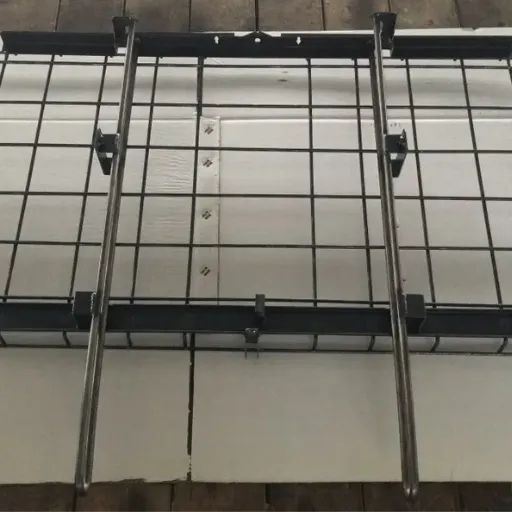
Custom sheet metal enclosure manufacturing often starts with prototypes and evolves into production.
Prototype Phase
Use laser cutting and brake bending for fast turnaround.
Validate fit, access, thermal performance, and assembly sequence.
Refine hole patterns, bend reliefs, and hardware placement.
Expect higher per-unit cost but no tooling investment.
Bridge to Production
Once the design stabilizes, optimize for manufacturing.
Consider hard tooling for high-volume features.
Lock material specifications and finishes.
Run first-article inspection before releasing full production.
Production Phase
Use the most efficient process for the volume.
Maintain consistent quality through inspection fixtures and SOPs.
Plan inventory and reorder points to avoid stockouts.
Working with a supplier that handles both prototyping and production simplifies this transition. Drawings, tooling, and quality standards stay inside one facility.
How to Choose a Custom Enclosure Manufacturer
Not every sheet metal shop is equipped to deliver consistent enclosures. Here is what to evaluate.
Engineering Support
Look for a supplier that offers DFM feedback before cutting material. Early input on bend radius, hole placement, and seam design prevents expensive surprises. Our engineering team reviews enclosure drawings for manufacturability and suggests improvements.
Equipment Range
A full-service enclosure manufacturer should have laser cutting, punching, bending, welding, and finishing in-house. Outsourcing any of these steps adds lead time and risk.
Quality Systems
Ask about inspection equipment, tolerance capabilities, and material traceability. First-article inspection reports and dimensional certificates are important for regulated industries.
Capacity and Scale
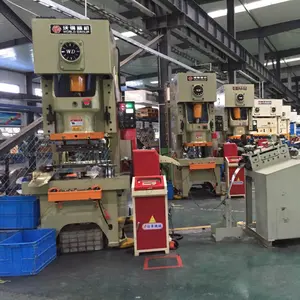
Can the supplier handle your peak volumes? A 10,000-square-meter facility with 100-plus stamping and fabrication machines can support both small prototype runs and large production programs.
Communication and Responsiveness
Custom enclosures often require design iteration. A supplier with a dedicated technical contact and engineering-led communication resolves questions faster than a purely transactional broker.
Cangzhou Honglang combines in-house mold design and manufacturing with sheet metal fabrication and stamping. That integration helps us move from prototype enclosures to production tooling without losing design intent.
Frequently Asked Questions
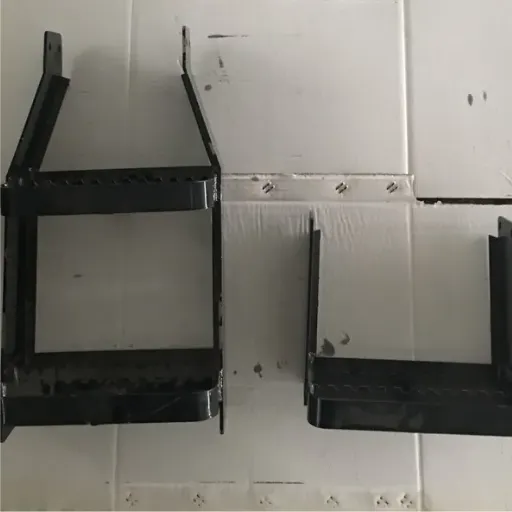
What is custom sheet metal enclosure manufacturing?
Custom sheet metal enclosure manufacturing is the process of designing and fabricating metal housings to protect equipment. It includes material selection, cutting, bending, welding, finishing, and hardware installation based on customer drawings.
What materials are best for sheet metal enclosures?
Cold-rolled steel is cost-effective for indoor use. Galvanized steel resists corrosion better. Stainless steel suits harsh or food-grade environments. Aluminum is lightweight and corrosion resistant for portable and telecom applications.
What is the difference between IP and NEMA ratings?
IP ratings define protection against dust and water ingress. NEMA ratings include additional criteria such as corrosion resistance, icing, and oil exposure. Both help buyers specify the right enclosure for the environment.
How much does a custom sheet metal enclosure cost?
Cost depends on material, size, thickness, complexity, finish, hardware, and volume. A simple prototype might cost tens of dollars per unit, while complex production enclosures can range from a few dollars to hundreds depending on specifications.
Can I prototype an enclosure before full production?
Yes. Prototyping through laser cutting and brake bending is common. It lets you validate fit and function before investing in production tooling or committing to large volumes.
Conclusion
Custom sheet metal enclosure manufacturing turns equipment protection into a competitive advantage. The right material, design, and supplier keep electronics safe, service access simple, and costs under control.
Start by defining the environment and function the enclosure must serve. Choose materials and ratings that match real operating conditions. Design for manufacturability from the first drawing. Then work with a supplier that can prototype quickly and scale into production.
If you are planning a custom sheet metal enclosure project, Cangzhou Honglang can help from the first sketch to final production. Our engineering team will review your requirements, recommend the best material and process, and deliver prototypes that validate your design before you commit to tooling.
Ready to start your enclosure project? Request a quote or download our capabilities overview to see how our sheet metal fabrication and enclosure manufacturing services can support your next program.
Recently Posted
-
Metal Stamping Design Guidelines: 7 Rules for Better Parts
August 4, 2026Good metal stamping design guidelines start with matching the part geometry to the right process, material, and tolerance expectat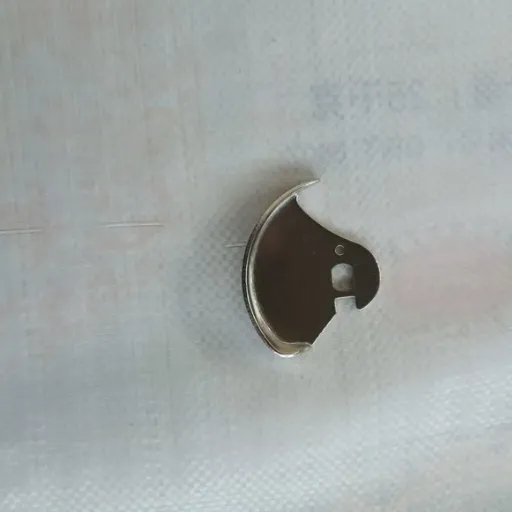 Read More
 -
Stamped Electrical Terminals: A Complete Guide to Materials, Tolerances, and Sourcing
August 4, 2026Stamped electrical terminals are precision-formed metal components that create reliable electrical connections in automotive, elec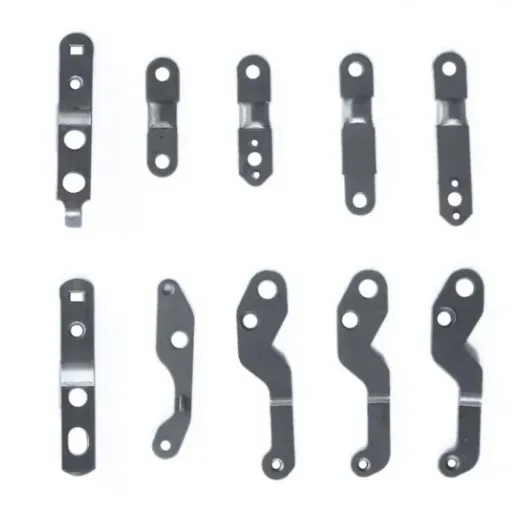 Read More
 -
Electrical Hardware Stamping Components: A Buyer’s Guide
August 3, 2026Electrical hardware stamping components are precision metal parts made from sheet metal or strip material. They include terminals,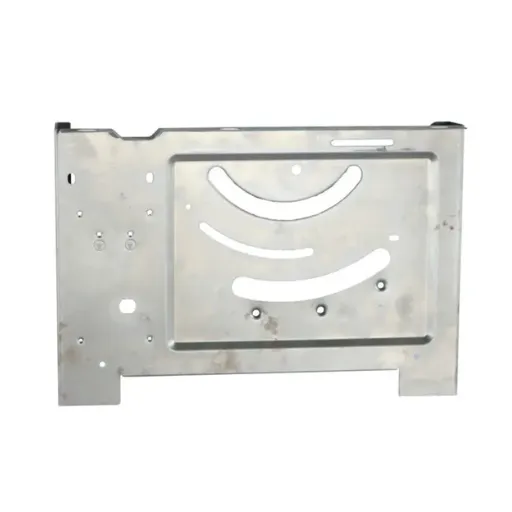 Read More
 -
Sheet Metal Prototyping Services: A Complete Guide for Product Development
August 3, 2026Sheet metal prototyping services help engineers and product teams validate designs, test fit and function, and refine manufacturin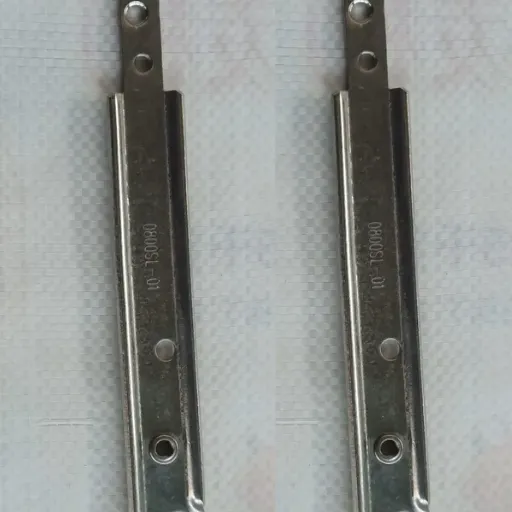 Read More

Contact Us
Recommended Products
-
 Custom Sheet Metal Fabrication: Laser Cutting, Stamping, Bending & Assembly ServicesNegotiableMOQ: 1 Piece
 -
Custom Precision Stainless Steel Metal Stamping Parts for OEM ApplicationsNegotiableMOQ: 1 Piece
-
Custom Automotive Metal Stamping – Stator Rotor Contact Clips for ElectronicsNegotiableMOQ: 1 Piece
-
High-Strength Sheet Metal Stamping for Motorcycle and Automotive ApplicationsNegotiableMOQ: 1 Piece
-
Galvanized Steel Custom Metal Deep Drawing Components Outdoor Deep Drawn Equipment Protective HousingNegotiableMOQ: 1 Piece
-
Professional Sheet Metal Stamping Process Service for Aluminum or Stainless SteelNegotiableMOQ: 1 Piece
-
Customized Stamping Parts for Furniture Auto Electrical Spring ContactsNegotiableMOQ: 1 Piece
-
Precision Custom Metal Deep Drawing Components Custom Sheet Metal Forming Fabrication ServiceNegotiableMOQ: 1 Piece
-
Custom Precision Deep Drawing Stamping Metal Components for IndustryNegotiableMOQ: 1 Piece
-
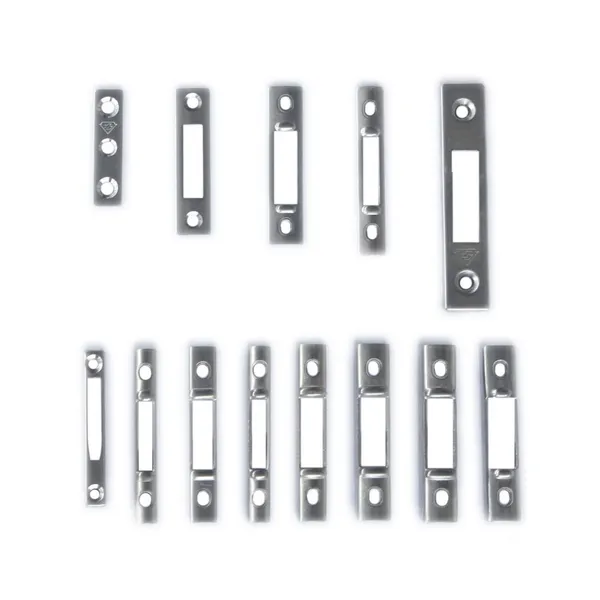
Stainless Steel Metal Stamping Components - Punching, Bending, Welding ServicesNegotiableMOQ: 1 Piece
-
Custom Deep Drawing Metal Stamping Components for Factory Construction MachineryNegotiableMOQ: 1 Piece
-
Ra0.4 Surface Roughness Metal Stamping Parts for Automotive Brackets PrecisionNegotiableMOQ: 1 Piece
-
Custom Stamping Parts Stamped Welded Deep Drawn Sheet Metal Fabrication ComponentsNegotiableMOQ: 1 Piece
-
Custom Stainless Steel Flat Leaf Spring – Metal Stamping PartsNegotiableMOQ: 1 Piece
-
Custom Sheet Metal Stamping Parts With Bending, Laser Cutting & Fabrication ServicesNegotiableMOQ: 1 Piece
-
Custom CNC Machined Sheet Metal Stamping, Bending, Welding, Laser Cutting & EDM Fabrication ServicesNegotiableMOQ: 1 Piece
-
Custom Precision Metal Stamping Parts High Tolerance Sheet Metal ComponentsNegotiableMOQ: 1 Piece
-
Custom Titanium Sheet Metal Stamping Parts Fabrication for Industrial UseNegotiableMOQ: 1 Piece
-
Durable Custom Metal Deep Drawing Components Surface Treated Forming Components for Construction Engineering EquipmentNegotiableMOQ: 1 Piece
-
China Manufacturer Custom Metal Deep Drawing Components Custom Sheet Metal Deep Drawing FabricationNegotiableMOQ: 1 Piece